You’ve probably seen the word “humectant” on product labels, in skincare tutorials, or in your favorite science communicators’ posts. But do you actually know what it means? It’s one of those terms that gets tossed around a lot in beauty spaces, especially when people talk about hydrating serums or moisturizers. But for many of us, it’s just that: a word. One that sounds vaguely scientific but doesn’t really get explained. If you’re serious about being a smarter skincare consumer and achieving hydrated skin, then understanding humectants in skincare is the first and most crucial step.
So let’s break it down.
In this article, we’ll explain what humectants actually are, how they work on your skin, and why they’ve become a core ingredient in everything from toners to creams. Whether you’re a skincare beginner or just curious about what’s in your routine, let this be your clear-cut guide.
What Does “Humectant” Actually Mean?
Humectants in skincare are ingredients that help your skin stay hydrated, which is super important for a youthful, healthy glow. They help hold on to water to keep your skin hydrated.
Think of humectants in skincare like tiny sponges that pull water from the air and deeper layers of your skin to the surface. They draw in nearby moisture from the air around you or the excess water in products you use, and hold it on tp of the surface layer (called the stratum corneum).
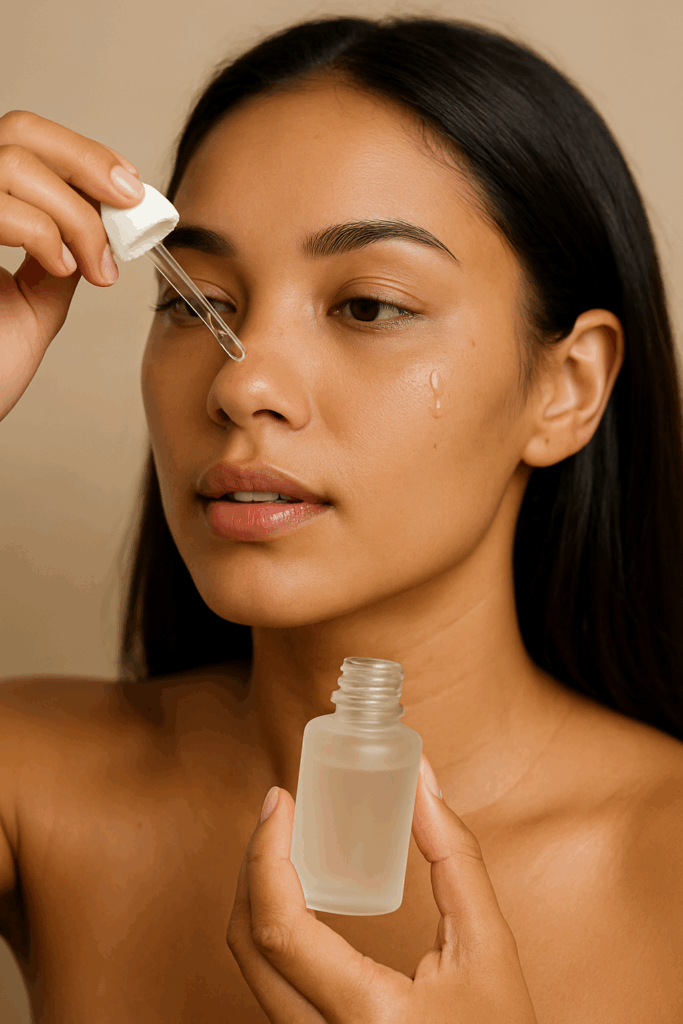
Hydrated skin is so important because it helps your skin feel:
- Softer
- More hydrated
- Smoother
- And temporarily plumper (reducing the appearance of superficial fine lines and wrinkles)
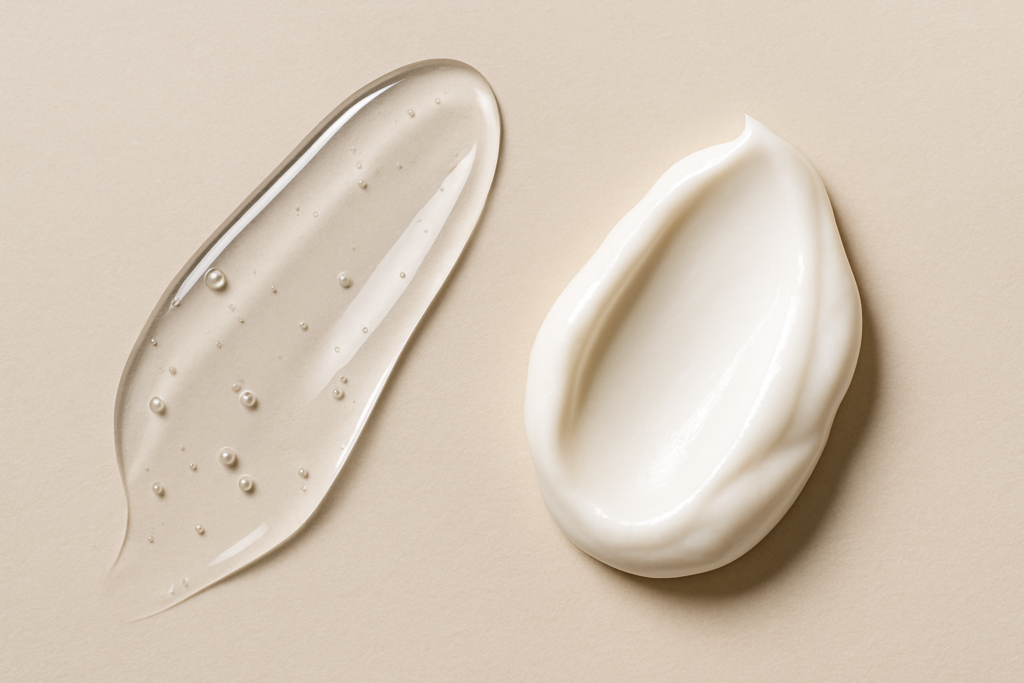
You’ll find humectants in a lot of skincare products, especially hydrating serums, lightweight moisturizers, face mists, and toners. You’ve probably used one today without even realizing it. The most popular humectant in skincare today is definitely hyaluronic acid.
Why Do Skincare Brands Love Humectants So Much?
Honestly, the answer is really simple… because they work and they play well with others in formulations.
Unlike active ingredients that target one specific problem (like acne or wrinkles), humectants are more like support players. They make your skin feel better overall, which also makes other ingredients work better.
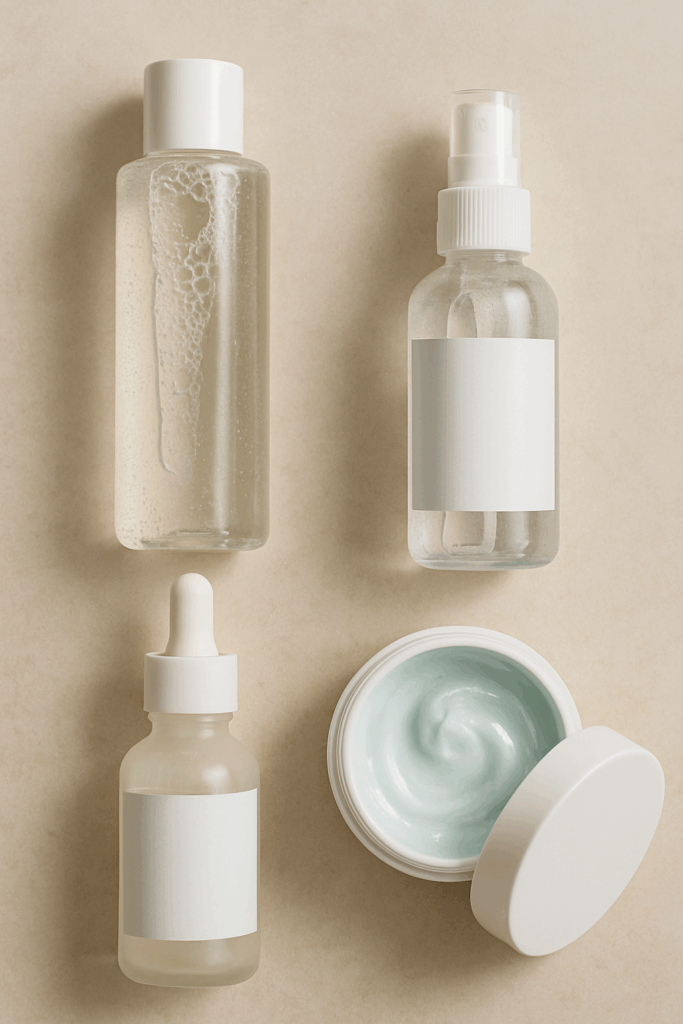
Humectants help with:
- Skin dehydration (from weather, air conditioning, harsh cleansers)
- Irritation (by softening and soothing)
- Temporary dullness (by plumping and smoothing the surface)
They’re also super versatile. You’ll find them in products for dry skin, oily skin, sensitive skin, and mature skin because every skin type needs water.
Humectants vs. Moisturizers: Are They the Same Thing?
While you may hear them referenced interchangeably, they are not the same thing. They actually do not even play the same role in a product. However, they’re part of the same team. Moisturizing in general refers to the way we keep our skin soft, supple, and hydrated. Humectants are one of the role players in addition to other categories of actives. The skincare hydration team is made up of:
- Water is the only molecule that can actually hydrate your skin.
- Humectants that hold onto water and serve as a water reservoir for your skin throughout the day.
- Occlusives that create a seal on the surface of your skin and keep water from escaping.
- Emollients make the skin surface feel soft and smooth.

A good moisturizer will often include all four. But humectants are the ones actually attracting and holding on to the water, which is why they matter so much, especially in the first step after cleansing.
So, How Do You Use Humectants in Your Routine Most Effectively?
Here’s the ideal flow:
- Cleanse gently, avoid stripping the skin with a harsh cleanser (this is even for you ily skin peeps.)
- Apply a humectant-containing product to damp skin (this is key, because humectants need water to hold on to!)
- Seal it in with a moisturizer or cream that contains emollients or occlusives
Are Humectants Safe for Everyone?
Generally, yes. The most common humectants, like glycerin, hyaluronic acid, and panthenol are generally very well-tolerated by most people. And if you are looking for a newer humectant because you like trying trendy skincare ingredients, there are so many more you can try.
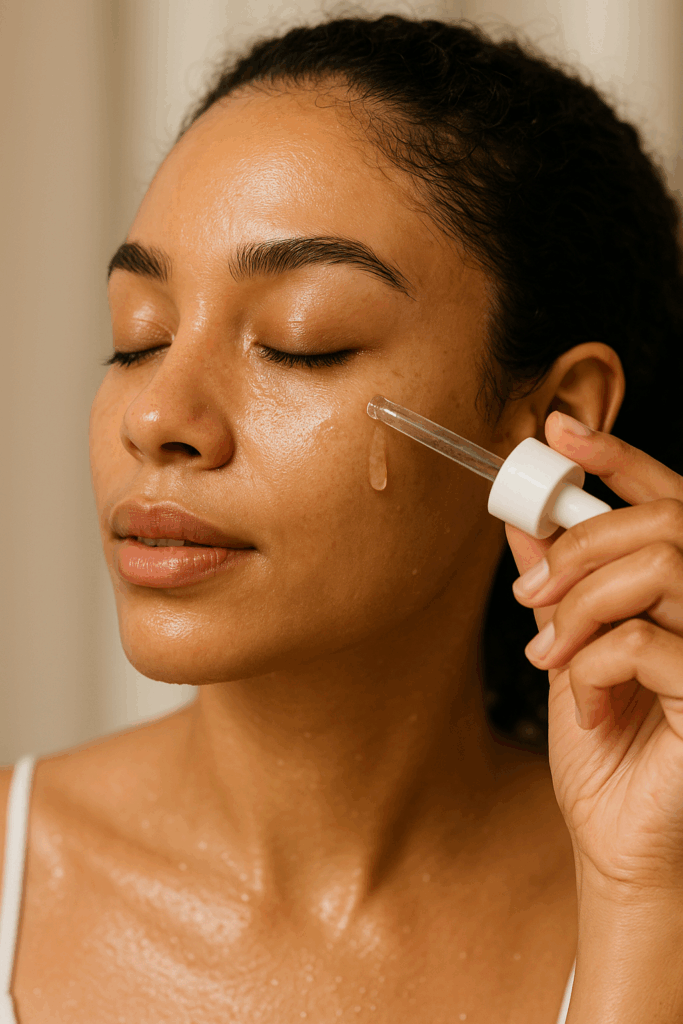
So What Is The Final Takeaway for Humectants… It’s Just a Fancy Word for “Hydration Helper”
Humectant may sound technical, but it’s really just a label for one of the most useful things in skincare: an ingredient that helps bring water into your skin.
Now that you know what it means, you can shop smarter, layer better, and understand what your products are actually doing. So next time you see “contains hyaluronic acid” or “hydrating toner with glycerin,” you’ll know exactly what that means, and why your skin loves it.