The best mindfulness methods are the ones that work for you.
(Photo: Calin Van Paris/Canva)
Published December 16, 2025 05:18AM
Balancing work, relationships, and all that comes with life in the real world is a truly impressive feat—one that’s supported greatly by simple mindfulness practices. Discovering tools that allow you to be more present throughout your day is among the quickest ways to elevate your existence, and 2025 brought some new go-to tricks that we intend to take from the present into the future.
The routines we picked up this year were all about optimizing our lifestyles to create more room for awareness. That means instead of waiting for for perfect stillness, we try to meet ourselves exactly where we are. From active takes on meditation to stacking new habits on existing routines, these ideas can help make your everyday life more intentional.
5 Helpful Mindfulness Practices We Learned in 2025
Living mindfully should be a relatively simple endeavor. Take what works for you and leave the rest.
1. Habit Stacking to Cultivate New Practices

Wanting to commit to a new habit is one thing. Successfully and stickily building it into your routine is a very different thing.
Habit stacking is all about tying new habits to existing habits, which means you’re leveraging practices that your brain is already wired to do as you attempt to create stronger neural pathways for the new thing.
The basic formula for habit stacking is simple: take an established pattern and add another. For example, when creative coach Geena Glaser moved her vitamins to the bathroom cabinet and began taking them after brushing her teeth, a deeply ingrained habit, the new ask became seemingly effortless.
“Not only do I feel proud of how great I am at brushing my teeth, but I also feel great that I’m taking my vitamins, whereas before it was all too easy to be mean to myself for not doing it,” she says. “Shame does not motivate us to do things, but celebration sure does,” she says.
2. The Best Time to Meditate Is the Best Time for You

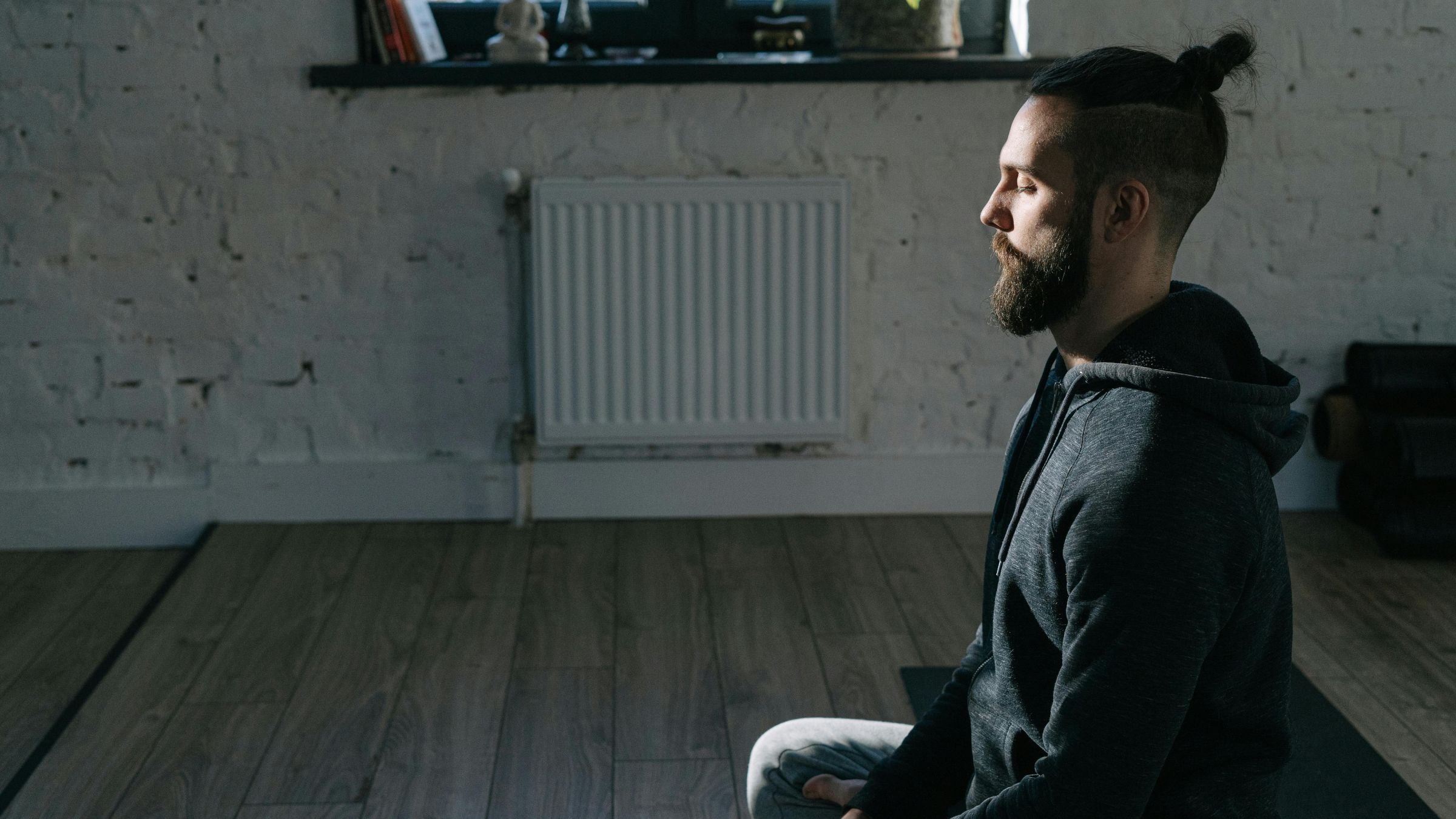
Meditating at any time of day is a mindfulness win, but is there an optimal time to sit in silence?
According to experts, the answer is yes—and that’s whenever it fits on your calendar! Consistency is essential to a meaningful meditation practice, so choosing whatever time slot makes the most sense for you is the strongest predictor of a long-lasting practice.
For many, that means mornings, before the stresses and pressures of the day get in the way. “Many contemplative traditions emphasize morning practices,” says Erin Casperson, director of Kripalu’s School of Ayurveda, who considers the stillness of the early hours to be a unique opportunity to cultivate inner quiet. “Even a few minutes of a morning practice can foster greater stability in the nervous system, mind, and body throughout the day.”
3. Trouble with Stillness? Try Active Mindfulness

Sometimes, stillness is not what’s needed to settle your mind.
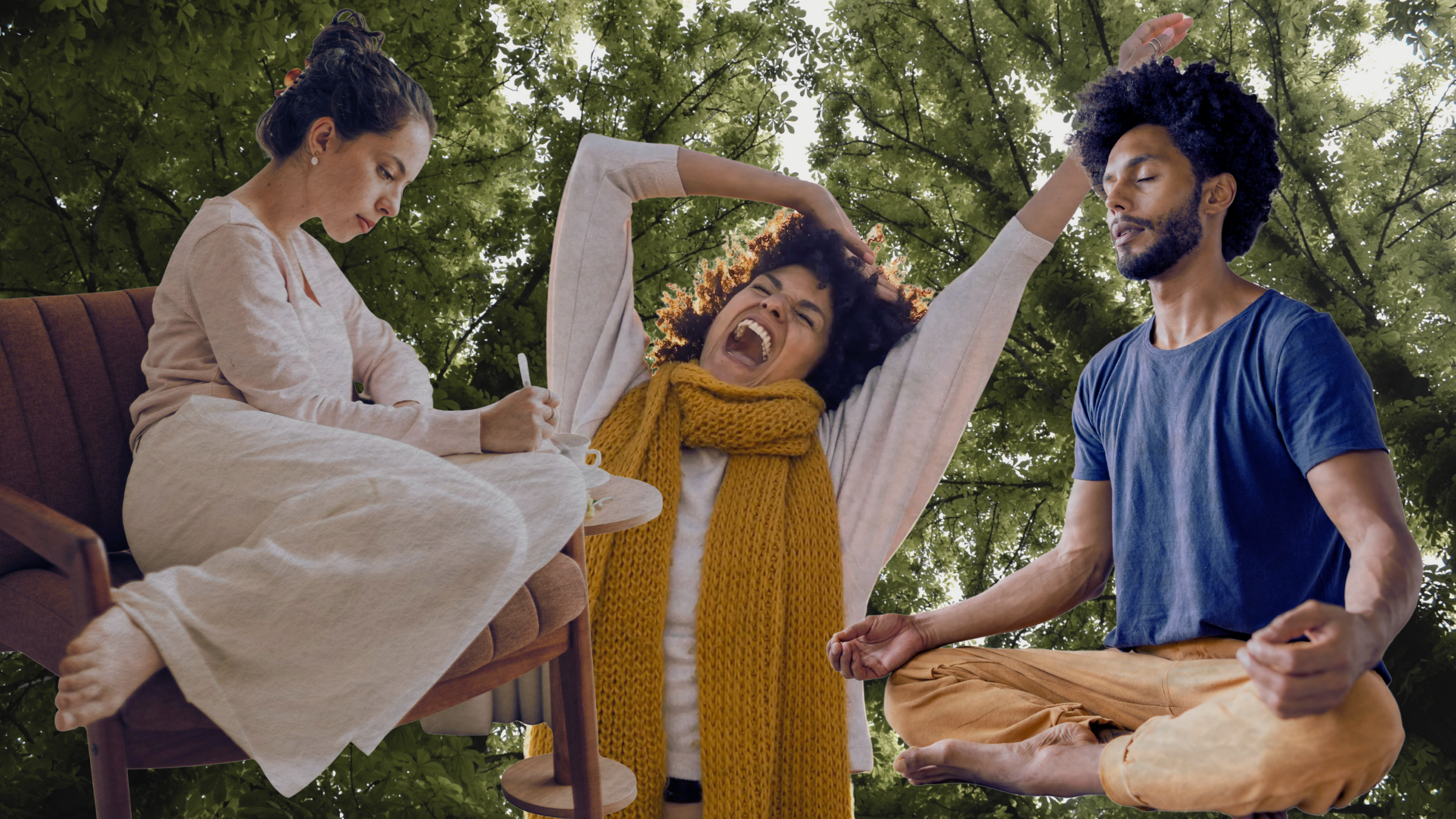
“When we’re in fight-or-flight mode, our nervous system wants to do something…it’s wired for movement,” says mindfulness teacher and author Rosie Acosta. High-intensity workouts, going outside for a big scream, beating up your couch, and even stomping around your house are all examples of active mindfulness practices. As long as you remain present with what your feeling, your actions can allow emotions to move through you, making room for healing and eventual calm.
4. Yes, Your Rage Can Be Mindful

Anger is a natural emotion and the appropriate response to injustice. But your rage doesn’t have to be a thoughtless thing. Rather than letting the powerful feeling take over and result in yelling or bad behavior, actions such as deep breathing, taking a long walk, even distracting yourself can help you get to a space where mindfulness is accessible.
“I think there is a misconception that calmer practices like meditation are about avoiding intensity, but really, they invite us to learn how to be with it,” says meditation teacher Dora Kamau.
5. Meditating Outside Is a Game Changer

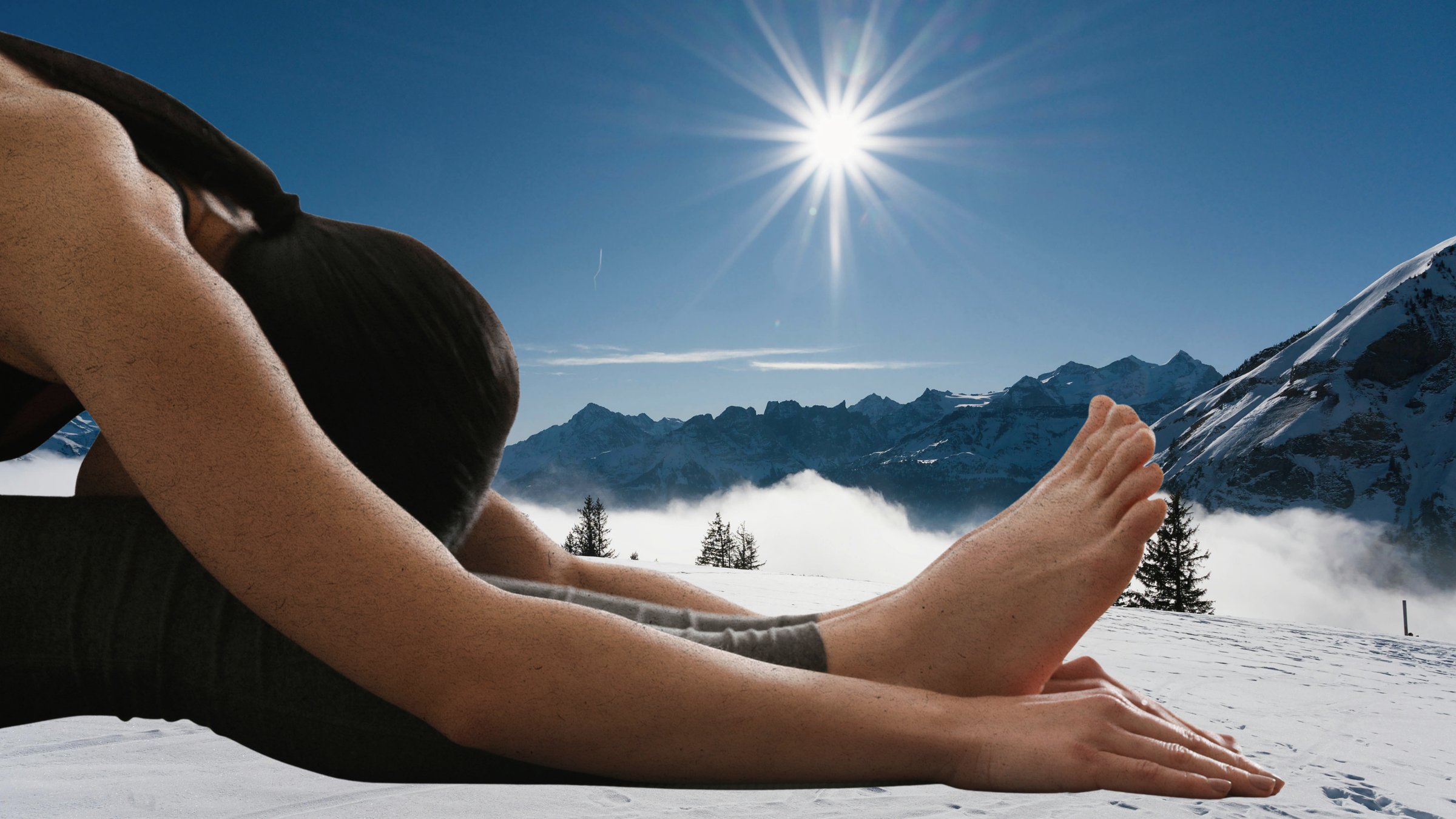
A simple change of scenery can bring about an entirely new level of awareness. Taking your meditation outside invites the elements in, allowing you to feel like your mind is a part of a greater whole (which it is) rather than something separate that you need to wrangle. Plus, fresh air always helps with anything.