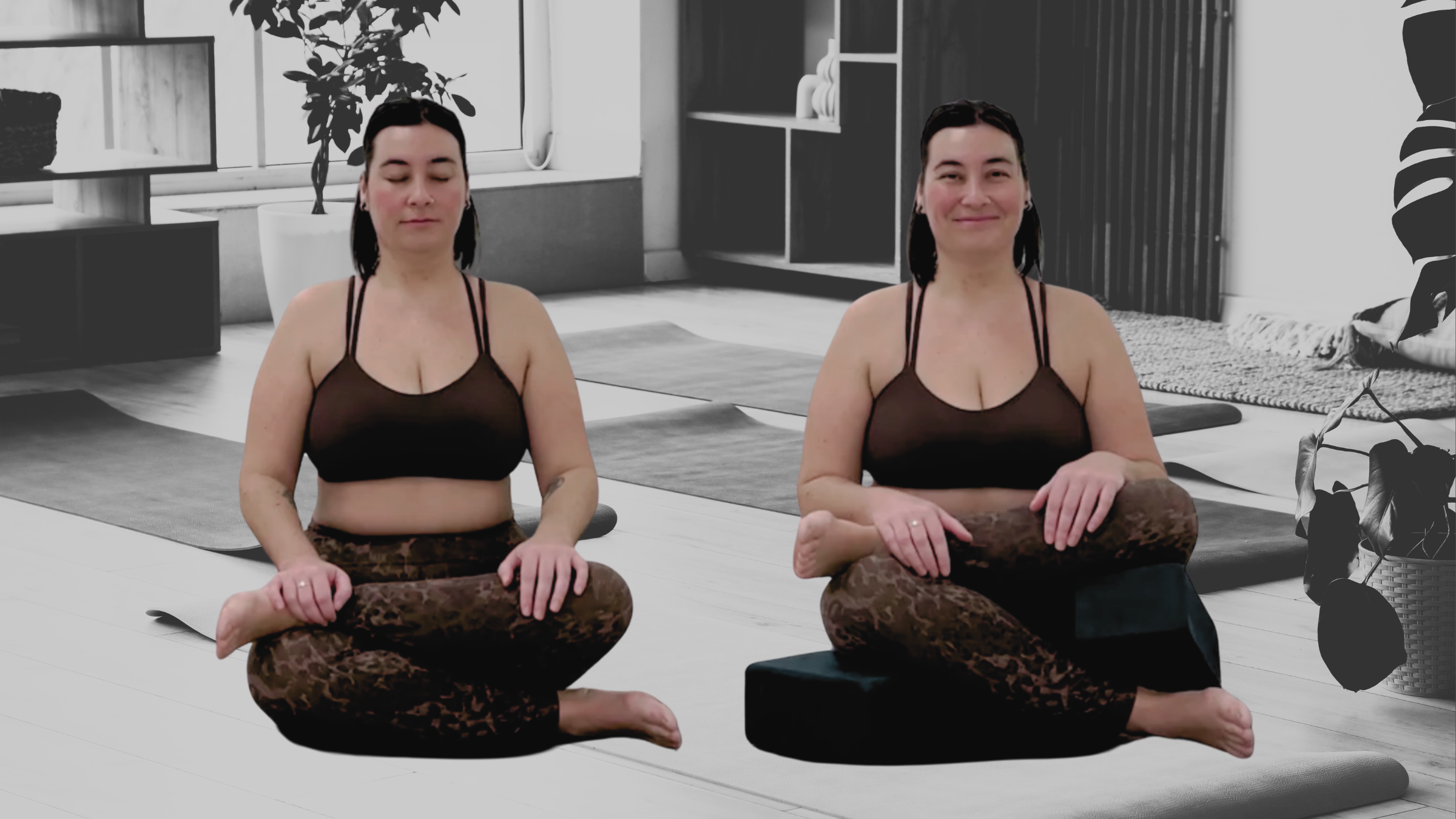
Published January 6, 2026 07:07AM
What if your adventure through life, from the carefree days of your childhood to the wisdom of your later years, isn’t just a linear progression of one birthday after another but a series of distinct life stages? What if these stages of life, each with distinct lessons and defining qualities, shifts with age in more specific and meaningful ways than we usually recognize?
The ancient tradition of Ayurveda teaches how each stage of life carries its own rhythm and characteristic—and explains how to align with these life stages rather than struggle against them. Understanding these life stages can influence not only how you think but how you feel as you experience the world.
Your Stages of Life, According to Ayurveda
According to the ancient science of Ayurveda, each of us has a primary dosha, or constitution, that’s based on a blend of vata, pitta, and kapha energies. Your dosha influences everything about your existence, whether skin type or sleep patterns.
These three doshas also shape your experiences and needs throughout life. “In Ayurveda, each stage of life is influenced by a predominant ‘dosha,’ shaping our physical and emotional tendencies,” explains Martha Soffer, an Ayurvedic expert and founder of Surya Spa. “When we understand these rhythms, we can live in greater harmony with ourselves and the world.”
According to Ayurvedic wisdom, our constitutional dosha remains constant throughout life, although there is also a dominant dosha that influences us based on our age and stage of life. This life stage dosha contributes to how we think, feel, and function.
Understanding how the doshas affect us throughout our life stages helps us take better care of ourselves. By aligning our lifestyle with the characteristics of each stage, we can more easily exist in tune with ourself by maintaining balance in life and navigate our thoughts and situations with greater ease and awareness. In other words, by understanding this influence, we can live more in tune with ourselves.
How to Navigate Your Life Stages
Ayurveda recognizes three distinct phases of life, each ruled by a dominant dosha. Childhood is influenced by kapha, adulthood by pitta, and older age by vata.

1. Childhood | Birth-25 Years | Kapha
Your earliest years are dominated by kapha. It’s a stage characterized by growth, stability, and the building of body, mind, and emotional foundations.
Kapha is associated with the elements of earth and water and is characterized by stability, nourishment, and growth. In childhood and early adulthood, kapha’s steady, building energy supports rapid physical and mental development, strong immunity, emotional bonding, and the formation of lifelong habits and routines.
Characteristics of Kapha Stage
“Children are naturally in their kapha stage of life,” explains Suhas Kshirsagar, BAMS MD, a classically trained Ayurvedic physician and co-author of Awakened Sleep: An Ayurvedic Approach to Getting Deep Rest and Unlocking Optimal Health. She says the stability of kapha supports sound sleep, making it easy for children and young adults to fall asleep and stay asleep unless they are overstimulated or unwell, she says.
From a physiological perspective, growth hormones are high as the body rapidly builds new cells, resulting in a “robust ability” to build tissue, explains Nidhi Bhansali Pandya, an Ayurvedic doctor and practitioner as well as the author of Your Body Knows: Intuitive Ayurveda 21 Days to Reset your Gut, Sleep, Mood, and Health.
Emotionally, kapha embodies qualities such as calmness, secure attachment, and a need for routine and connection. “It’s a time of building—of tissue, of trust, and of deep inner grounding,” adds Soffer.
However, the digestive fire (agni) is still strengthening. Overeating in a single sitting or eating too frequently, especially when it comes to heavy or processed foods, can upset digestion and weaken the immune system.
Nurturing the Kapha Stage
“Kapha is not a pathology,” emphasizes Pandya. “It’s a rich, fertile terrain. The key is to support it without overwhelming it.”
This means prioritizing warm, healthy foods, consistency in everyday life, and plenty of time to move and play while minimizing excessive stimulation (such as caffeine and screen time). It also includes emphasizing nourishment over restriction during this critical growth phase.

2. Adulthood | 25-65 Years Old | Pitta
The pitta-dominant stage is characterized by ambition, transformation, and productivity.
Pitta is driven by the elements of fire and water and governs metabolism, transformation, and focus. During adulthood, pitta’s dynamic, goal-oriented nature supports productivity, ambition, leadership, and the ability to digest not only food, but life’s responsibilities, challenges, and experiences.
Characteristics of the Pitta Stage
“As we move into our pitta years, life becomes more about ambition, responsibility, and achievement,” says Kshirsagar.
Soffer explains that “it’s the time when we’re focused on achieving, leading, finding, and realizing our purpose. This can be seen in clarity of thought, ambition, strong digestion—both of food and life experiences.”
Pandya describes this phase, fittingly, as the “season of fire. It’s a time when we burn brightly through our careers, relationships, and aspirations.” The body is strong at this stage, although it needs careful balancing. Pandya compares the body’s vitality to an oil lamp. “If we let the flame burn too fiercely through overwork, stress, excessive exercise, late nights, and stimulants, we begin to consume the oil faster than it can be replenished.” This can lead to anxiety, irritability, and early aging.
Kshirsagar adds that this mental busyness can make it difficult to stay asleep, causing many people to wake in the middle of the night, often between 10 p.m. and 2 a.m., a time of day governed by pitta.
Tending the Pitta Fire
As we move through the pitta stage, everyone’s bodies begin to change. Hormonal fluctuations, digestive sensitivity, and insomnia are common signs that the body is shifting. Some women may experience even more physical and emotional changes, especially during their perimenopausal phase.
“If we don’t adapt our lifestyle to this shift by increasing rest, incorporating grounding foods and practices, and honoring the body’s changing needs, we enter the next phase depleted rather than prepared,” warns Pandya. The key during the pitta years, is to “burn wisely” to preserve longevity.
Older Age | 65+ Years Old | Vata
The vata-led stage is a period of reflection, lightness, and slowing down.65+ Year Old: Vata
Vata is composed of air and space and governs movement, circulation, and the nervous system. In later life, vata becomes more prominent, reflecting an innate shift toward lightness, introspection, and change. These characteristics influence mobility, sleep, memory, creativity, and spirituality.
Characteristics of the Vata Stage
As vata becomes more prominent in our bodies, there are distinct changes that result. How well you move through this stage often depends on how you cared for yourself in the pitta stage.
As hormone levels drop, the body cools energetically and becomes less able to retain moisture. Soffer notes that vata qualities of dryness, mobility, and subtlety “can manifest as dry skin, lighter sleep, or even, when imbalanced, a tendency toward forgetfulness.”
“This means sleep often becomes lighter, less consistent, and more easily disturbed,” says Kshirsagar. “People may have trouble falling asleep, wake up frequently, or rise very early—especially during vata time (2–6 a.m.).”
Other results of this airy quality include stiffening of the joints, thinning of the skin, weakened digestion, and a more sensitive nervous system, observes Pandya.
At the same time, vata’s subtle and expansive qualities can also bring heightened creativity, insight, and intuition. Many people experience a greater capacity for reflection, imagination, and spiritual awareness during this stage, making it a powerful time for wisdom sharing, mentorship, and inner growth.
Embracing the Wisdom of Vata
Vata time invites us to slow down and be mindful of how we expend our energy.
“Unlike the outward push of pitta, vata asks us to turn inward, to rest, reflect, and release,” explains Pandya. To stay balanced, it helps to engage in activities that keep the body warm without overdoing it, such as gentle movement, meditation, and steady routines.
To counteract vata’s natural dryness and support a sensitive digestive system, it can help to practice daily oil massage (abhyanga) and focus on warm, cooked meals rather than raw foods, since raw foods can increase airiness and dryness in the body.
What is often overlooked is the potential of this stage. “Vata also brings a beautiful invitation to turn inward, to reflect, and to discover and embrace creativity, wisdom, and most importantly, a deeper connection to spirit, and the wisdom of the soul,” says Soffer. “With the proper care, this can be the richest and most meaningful time of life.”