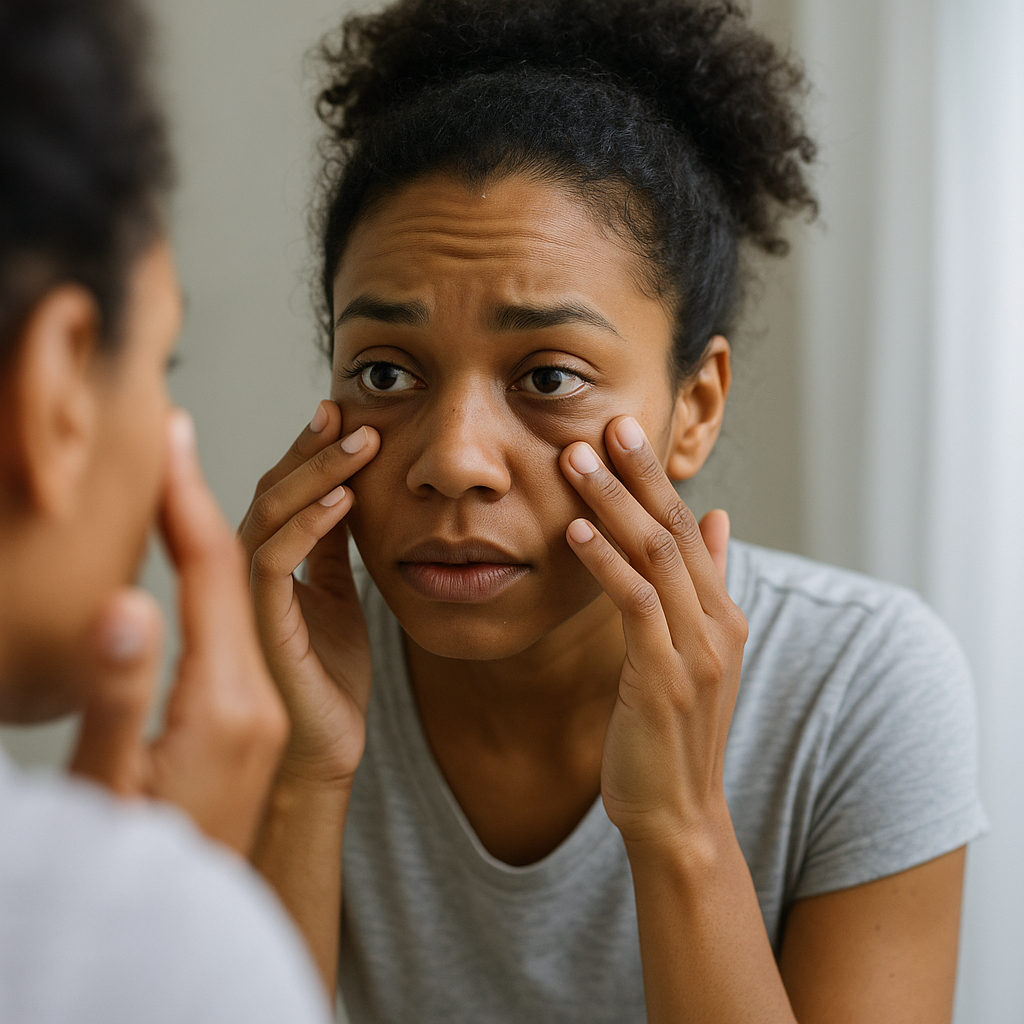
Nothing is worse than having a restless night, waking up, looking in the mirror, and looking exactly like all the sleep you did not get. If you have ever struggled with puffiness, dark circles, or tired-looking eyes, you’re not alone. And if you are anything like me, your first thought is how am I going to get rid of this. If you are a skincare beginner, you might be surprised to learn that your morning coffee ingredient could also wake up your under-eye area. And if you are a skincare enthusiast, then you know caffeine is showing up in eye creams and serums everywhere, and it’s not just a trend. There’s real science behind why caffeine is becoming a go-to ingredient for skincare under the eyes. So let’s break down caffeine for under eyes and why it’s so popular.
In this post, we’ll break down what caffeine does for the delicate under-eye region, how it works, and why it might be worth adding to your routine. Whether you’re dealing with puffy mornings, chronic dark circles, or fine lines, caffeine may offer visible support backed by research. And we are even going to cover where caffeine is not the right skincare active to reach for.
What Is Caffeine (in Skincare)?
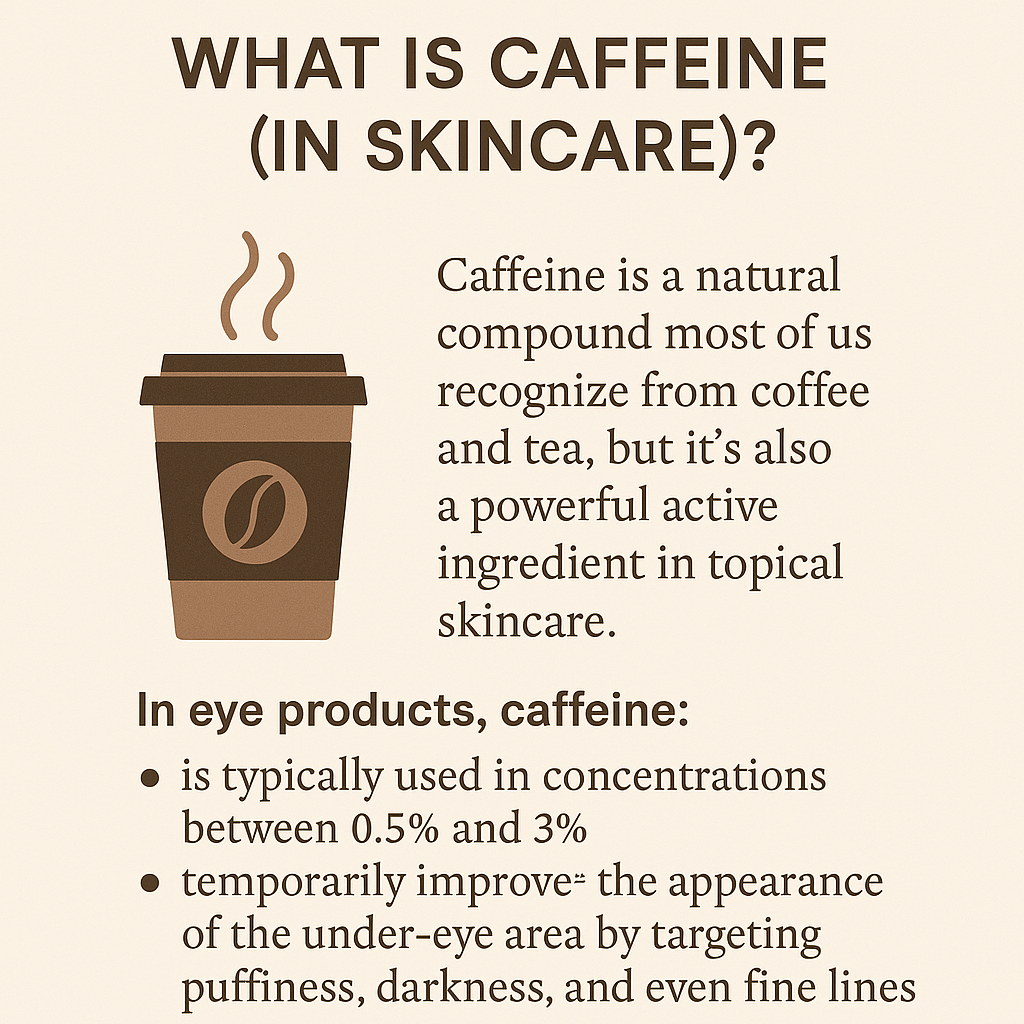
Caffeine is a natural compound most of us recognize from coffee and tea, but it’s also a powerful active ingredient in topical skincare. In eye products, caffeine is typically used in concentrations between 0.5% and 3% and is known for its ability to temporarily improve the appearance of the under-eye area by targeting puffiness, darkness, and even fine lines.
When you apply it to your skin, caffeine for under eyes acts as more than just a quick pick-me-up. It has biological effects that make it uniquely suited for the sensitive, often stressed skin beneath your eyes.
How Caffeine Under the Eyes Works
1. Vasoconstriction (Shrinking Blood Vessels)
Caffeine helps tighten blood vessels just beneath the skin’s surface, a process known as vasoconstriction. This reduces the appearance of dark, bluish circles caused by pooled blood and lessens swelling caused by fluid retention.
2. Anti-Inflammatory and Antioxidant Action
Beyond just draining puffiness, caffeine for under eyes also helps calm inflammation and neutralize harmful free radicals. This means it not only soothes irritation but can also help defend the skin against premature aging, especially damage from UV exposure.
3. Mild Lipolytic (Fat-Reducing) Effects
In some cases, under-eye bags aren’t just from fluid; they can involve small pockets of fat. Caffeine may help break down some of this fat through a process called lipolysis, though the effect is modest.
4. Improving Skin Barrier and Elasticity
Some studies show caffeine can enhance skin barrier function, reducing water loss and improving hydration. Well-hydrated skin looks plumper and more elastic, which can reduce the appearance of fine lines under the eyes.
What Makes Caffeine Different?
Caffeine isn’t just another soothing ingredient; it’s multi-functional. While many under-eye creams rely on film formers, hydrating ingredients, or light-diffusing particles for a temporary fix, caffeine goes a little further. Its ability to physically change the skin’s behavior, constricting blood vessels, calming inflammation, and possibly promoting fat breakdown, gives it an edge.
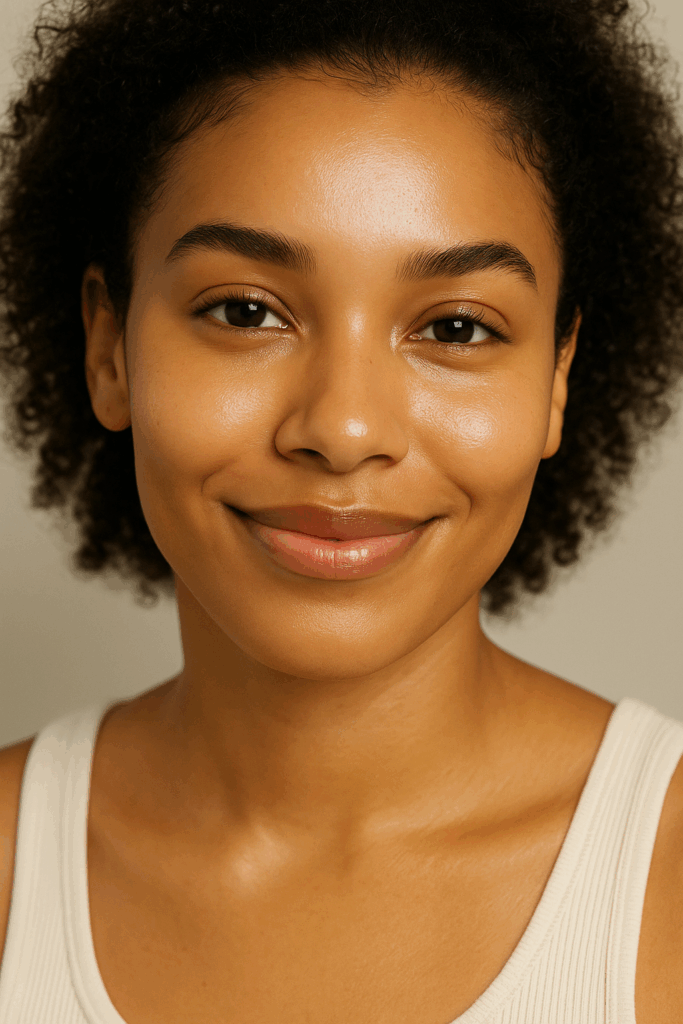
But it’s also important to manage expectations. It is important to note, when using caffeine for under eyes the effects are often temporary and subtle. Caffeine works best when used consistently and in well-formulated products. However, not all caffeine creams are created equal. The clinical data highlight how the ingredient is delivered into the skin matters significantly for visible results.
Is Caffeine Safe for the Eye Area?
Yes. Studies show that topical caffeine is generally well-tolerated in skincare, especially at concentrations up to 3%. It’s recognized as safe by both the U.S. FDA and the EU for cosmetic use. There’s no evidence of serious side effects when used properly. However, because the skin under the eyes is delicate, choosing formulas designed specifically for that area is key. Avoid DIY mixtures of caffeine for under eyes and stick to tested, commercially available products.
What the Research Says
Caffeine has been evaluated in several small clinical trials and studies:
- A 2015 trial using caffeine pads showed visible improvement in under-eye puffiness and dark circles after four weeks.
- A 2023 study of a multi-ingredient eye cream (with caffeine, vitamin C, and peptides) reported reduced fluid retention and improved skin brightness over 12 weeks.
- A placebo-controlled trial in 2010 found that while both the caffeine and non-caffeine gels reduced puffiness, the results were similar, highlighting the importance of formulation and delivery method.
Bottom line: the science supports caffeine’s ability to improve the look of under-eye puffiness and dark circles, especially when used as part of a well-rounded skincare routine. It is important to mention, if you were like me, you might have thought a caffeine under-eye cream could be a morning remedy, and that is not the case. Caffeine requires repeated use to show real benefits.
So If You Are Considering Caffeine in Your Skincare Routine… Who Is Caffeine Best For?
Caffeine for under eyes may be especially useful if you…
- Wake up with puffy eyes
- Struggle with vascular-type dark circles (bluish/purple shadows)
- Want to refresh tired-looking eyes without invasive treatments
- Are you looking to enhance skin firmness and reduce fine lines
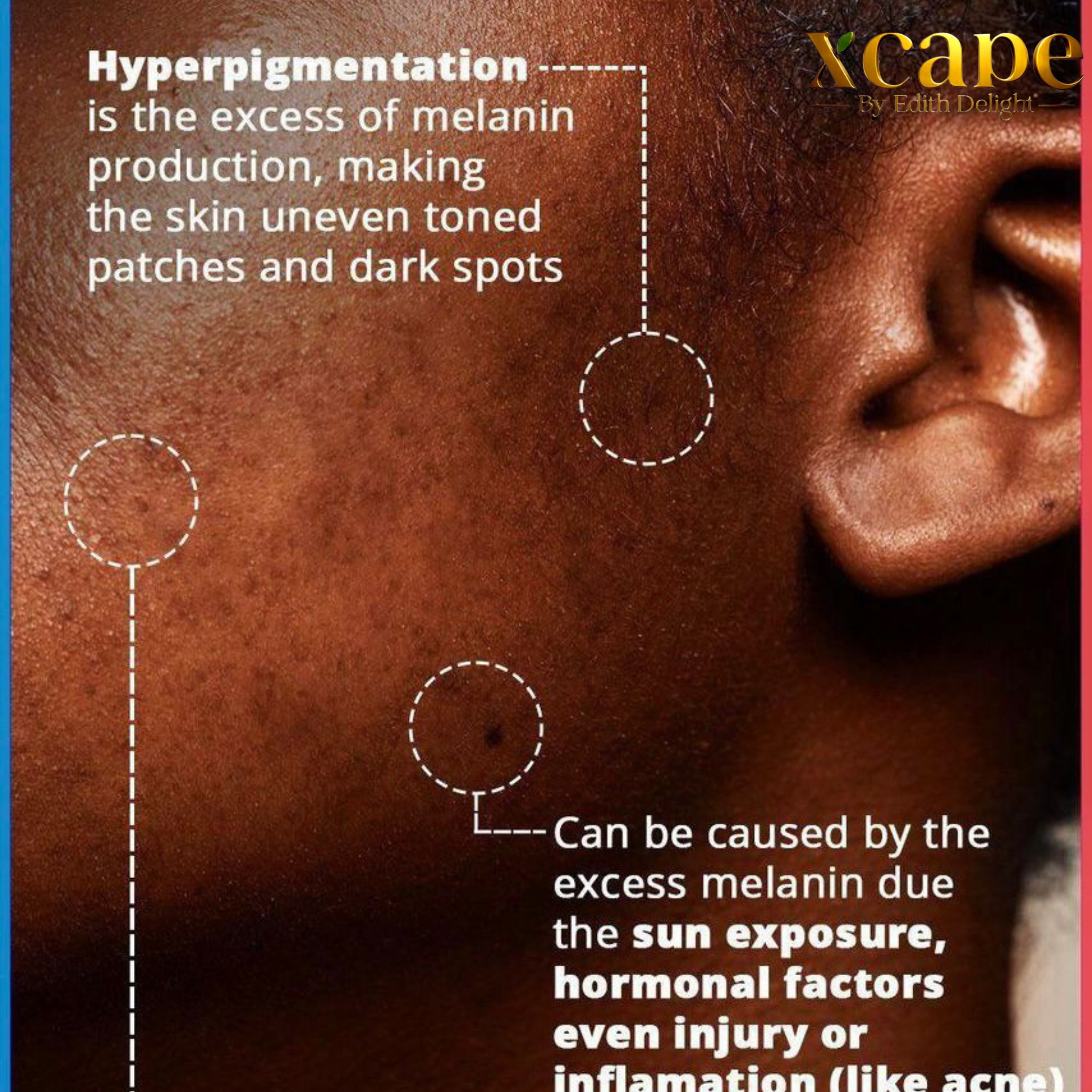
However, if your dark circles are pigment-based (brown/gray from melanin), caffeine may not be your hero ingredient. Look instead for brighteners like vitamin C or niacinamide in combination. Additionally, under-eye hyperpigmentation can be genetic, and caffeine cannot address that.
So Should You Be Using Caffeine for Under Eyes In Your Skincare Routine?
Caffeine is more than a trendy ingredient; it’s a well-researched option for tackling some of the most common under-eye concerns. With benefits ranging from puffiness relief to antioxidant protection, it’s no surprise that caffeine has become a staple in many evidence-based eye creams.
While it won’t erase dark circles or bags overnight, regular use of a well-formulated product can lead to brighter, smoother, and more refreshed-looking skin under the eyes.
References
Herman, A., & Herman, A.P. (2013). Caffeine’s mechanisms of action and its cosmetic use. Skin Pharmacology and Physiology, 26(1), 8–14. doi:10.1159/000343174researchgate.netpmc.ncbi.nlm.nih.gov.
Amnuaikit, T., Maneenuan, D., & Boonme, P. (2011). Evaluation of caffeine gels on physicochemical characteristics and in vivo efficacy in reducing puffy eyes. Journal of Applied Pharmaceutical Science, 1(4), 56–61researchgate.netresearchgate.net.
Ahmadraji, F., & Shatalebi, M.A. (2015). Evaluation of the clinical efficacy and safety of an eye counter pad containing caffeine and vitamin K in emulsified Emu oil base. Advanced Biomedical Research, 4, Article 10researchgate.netresearchgate.net.
Reddy, N. (MD). (2024). Can Caffeine Help With Under-Eye Circles and Puffiness? GoodRx Health. Retrieved from GoodRx websitegoodrx.comgoodrx.com.
Rajabi-Estarabadi, A., et al. (2023). Effectiveness and tolerance of a multicorrective topical treatment for infraorbital dark circles and puffiness. (Open-label clinical study)researchgate.netresearchgate.net.
Lim, H.G., et al. (2016). Infraorbital Dark Circles: A Review of the Pathogenesis, Evaluation and Treatment. (Review Article) International Journal of Dermatology (?)pmc.ncbi.nlm.nih.govpmc.ncbi.nlm.nih.gov.
Brandner, J.M., et al. (2006). Caffeine improves barrier function in male skin. International Journal of Cosmetic Science, 28(5), 343–347pubmed.ncbi.nlm.nih.govpubmed.ncbi.nlm.nih.gov.
Eye Cream Ingredient Efficacy Review (2024). (Review of retinoids, peptides, caffeine, etc. in periorbital skin) Journal of Drugs in Dermatology or similar, 23(??), xxx-xxxpmc.ncbi.nlm.nih.govpmc.ncbi.nlm.nih.gov.
Rosado, C., Tokunaga, V., Sauce, R., & Baby, A.R. (2019). Another Reason for Using Caffeine in Dermocosmetics: Sunscreen Adjuvant. (Study on photoprotection)researchgate.net.
CosmeticsInfo (Personal Care Council). Ingredient Database: Caffeine. Retrieved 2025, from CosmeticsInfo.org