
We can raise BDNF levels in our brain by fasting and exercising, as well as by eating and avoiding certain foods.
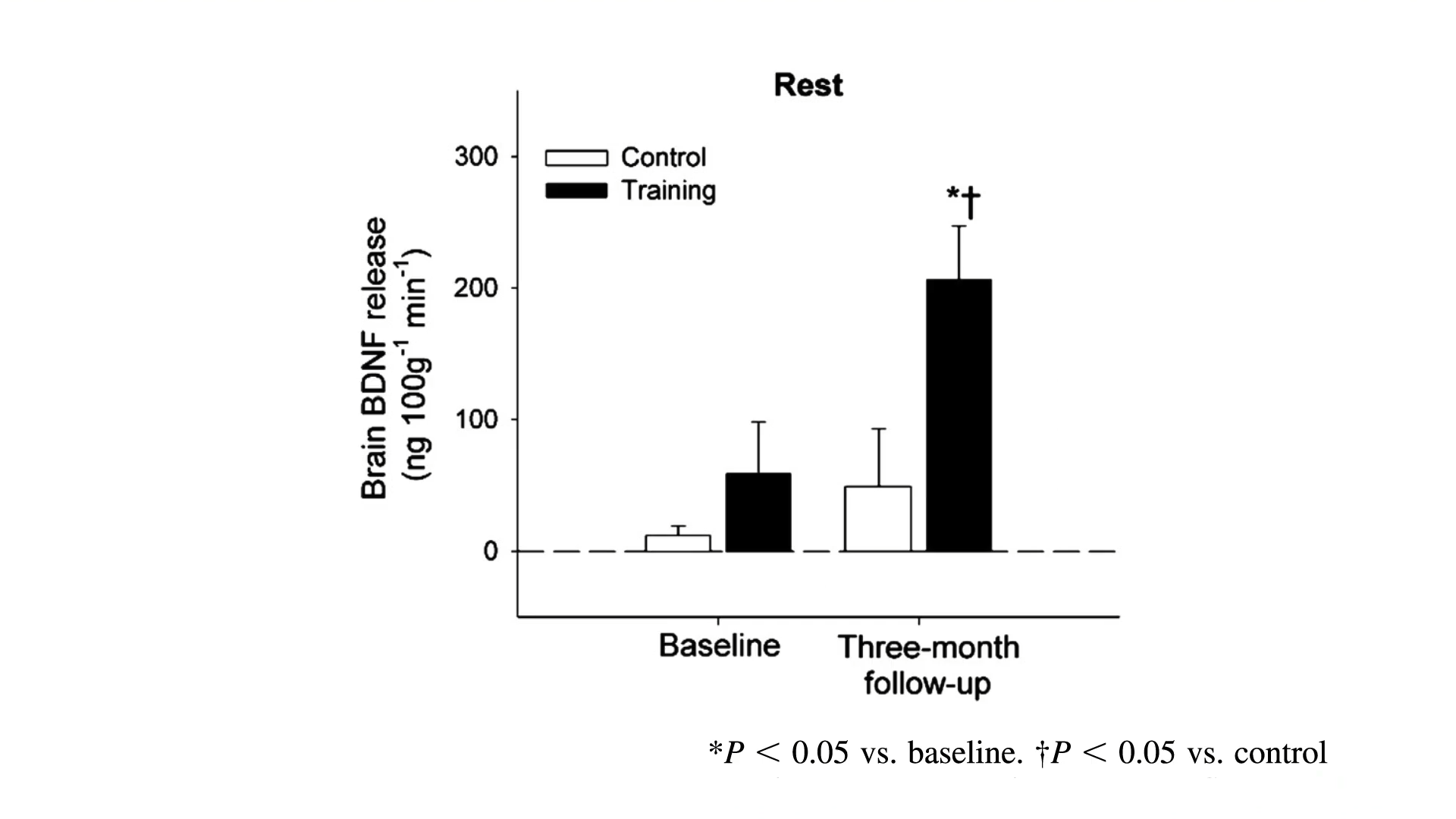
There is accumulating evidence that brain-derived neurotrophic factor (BDNF) may be playing a role in human depression. BDNF controls the growth of new nerve cells. “So, low levels of this peptide could lead to an atrophy of specific brain areas such as the amygdala and the hippocampus, as it has been observed among depressed patients.” That may be one of the reasons that exercise is so good for our brains. Start an hour-a-day exercise regimen, and, within three months, there can be a quadrupling of BDNF release from our brain, as seen below and at 0:35 in my video How to Boost Brain BDNF Levels for Depression Treatment.
This makes sense. Any time we were desperate to catch prey (or desperate not to become prey ourselves), we needed to be cognitively sharp. So, when we’re fasting, exercising, or in a negative calorie balance, our brain starts churning out BDNF to make sure we’re firing on all cylinders. Of course, Big Pharma is eager to create drugs to mimic this effect, but is there any way to boost BDNF naturally? Yes, I just said it: fasting and exercising. Is there anything we can add to our diet to boost BDNF?
Higher intakes of dietary flavonoids appear to be protectively associated with symptoms of depression. The Harvard Nurses’ Health Study followed tens of thousands of women for years and found that those who were consuming the most flavonoids appeared to reduce their risk of becoming depressed. Flavonoids occur naturally in plants, so there’s a substantial amount in a variety of healthy foods. But how do we know the benefits are from the flavonoids and not just from eating more healthfully in general? We put it to the test.
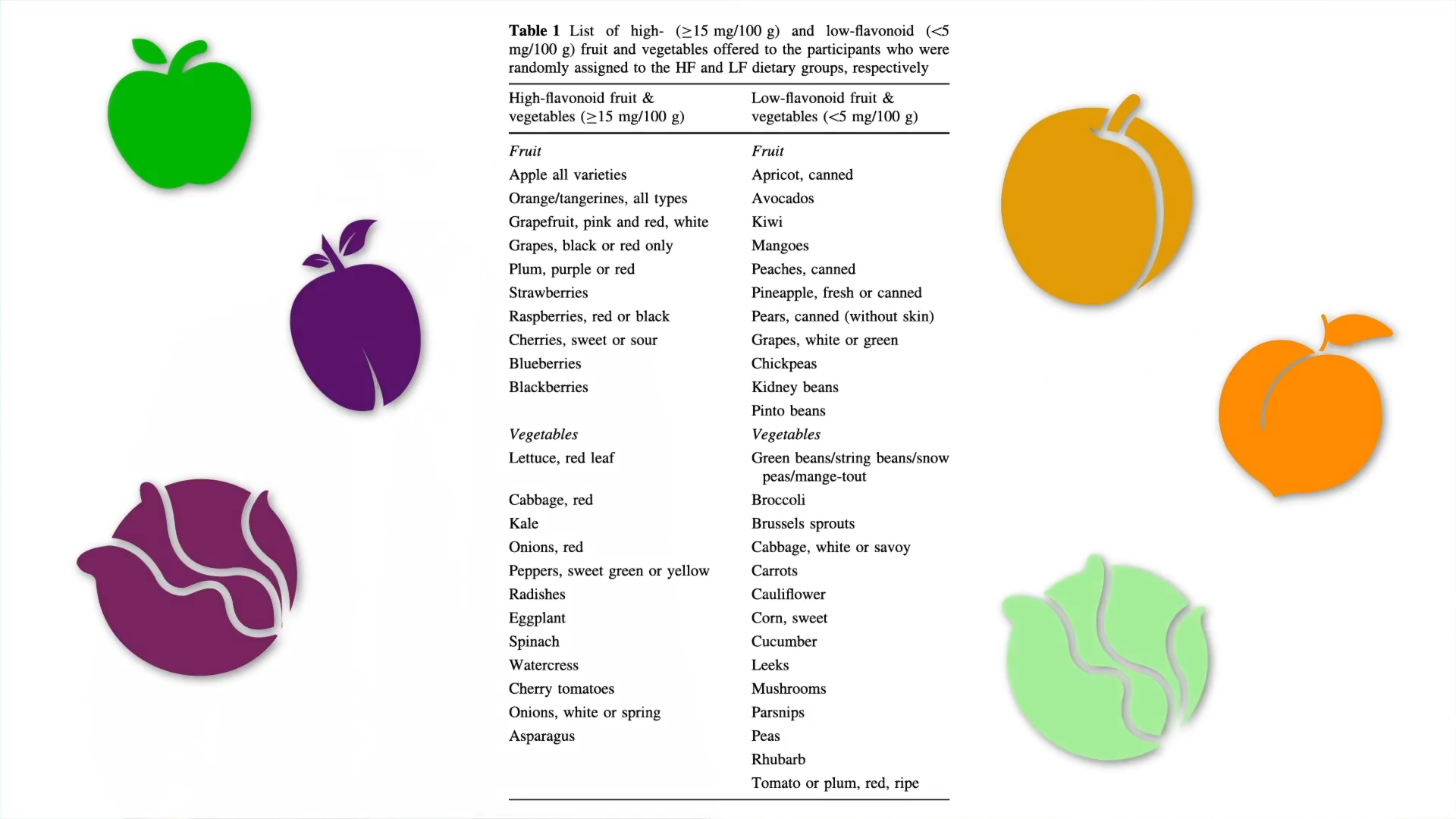
Some fruits and vegetables have more flavonoids than others. As shown below and at 1:51 in my video, apples have more than apricots, plums more than peaches, red cabbage more than white, and kale more than cucumbers. Researchers randomized people into one of three groups: more high-flavonoid fruits and vegetables, more low-flavonoid fruits and vegetables, or no extra fruits and vegetables at all. After 18 weeks, only the high-flavonoid group got a significant boost in BDNF levels, which corresponded with an improvement in cognitive performance. The BDNF boost may help explain why each additional daily serving of fruits or vegetables is associated with a 3 percent decrease in the risk of depression.
What’s more, as seen here and at 2:27 in my video, a teaspoon a day of the spice turmeric may boost BNDF levels by more than 50 percent within a month. This is consistent with the other randomized controlled trials that have so far been done.

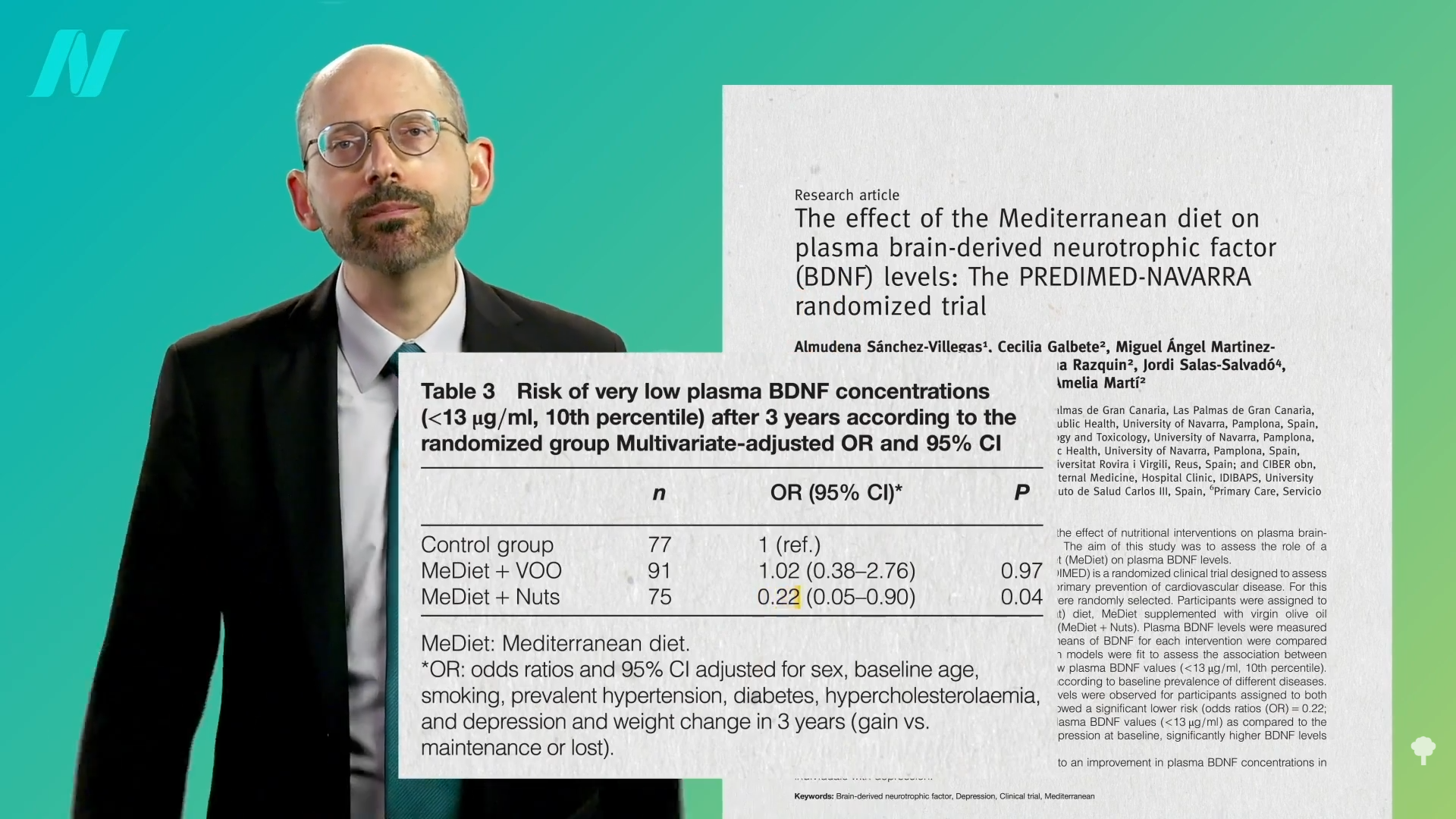
Nuts may help, too. In the PREDIMED study, where people were randomized to receive weekly batches of nuts or extra-virgin olive oil, the nut group lowered their risk of having low BDNF levels by 78 percent, as shown below and at 2:46.
And BDNF is not implicated only in depression, but schizophrenia. When individuals with schizophrenia underwent a 12-week exercise program, they got a significant boost in their BDNF levels, which led the researchers to “suggest that exercise-induced modulation of BDNF may play an important role in developing non-pharmacological treatment for chronic schizophrenic patients.”
What about schizophrenia symptoms? Thirty individuals with schizophrenia were randomized to ramp up to 40 minutes of aerobic exercise three times a week or not, and there did appear to be an improvement in psychiatric symptoms, such as hallucinations, as well as an increase in their quality of life, with exercise. In fact, researchers could actually visualize what happened in their brains. Loss of brain volume in a certain region appears to be a feature of schizophrenia, but 30 minutes of exercise, three times a week, resulted in an increase of up to 20 percent in the size of that region within three months, as seen here and at 3:46 in my video.

Caloric restriction may also increase BDNF levels in people with schizophrenia. So, researchers didn’t just have study participants eat less, but more healthfully, too—less saturated fat and sugar, and more fruits and veggies. The study was like the Soviet fasting trials for schizophrenia that reported truly unbelievable results, supposedly restoring people to function, and described fasting as “an unparalleled achievement in the treatment of schizophrenia”—but part of the problem is that the diagnostic system the Soviets used is completely different than ours, making any results hard to interpret. There was a subgroup that seemed to correspond to the Western definition, but they still reported 40 to 60 percent improvement rates from fasting, but fasting wasn’t all they did. After the participants fasted for up to a month, they were put on a meat- and egg-free diet. So, when the researchers reported these remarkable effects even years later, they were for those individuals who stuck with the meat- and egg-free diet. Evidently, the closer the diet was followed, the better the effect, and those who broke the diet relapsed. The researchers noted: “Not all patients can remain vegetarian, but they must not take meat for at least six months, and then in very small portions.” We know from randomized controlled trials that simply eschewing meat and eggs can improve mental states within just two weeks, so it’s hard to know what role fasting itself played in the reported improvements.
A single high-fat meal can drop BDNF levels within hours of consumption, and we can prove it’s the fat itself by seeing the same result after injecting fat straight into our veins. Perhaps that helps explain why increased consumption of saturated fats in a high-fat diet may contribute to brain dysfunction—that is, neurodegenerative diseases, long-term memory loss, and cognitive impairment. It may also help explain why the standard American diet has been linked to a higher risk of depression, as dietary factors modulate the levels of brain-derived neurotrophic factor.