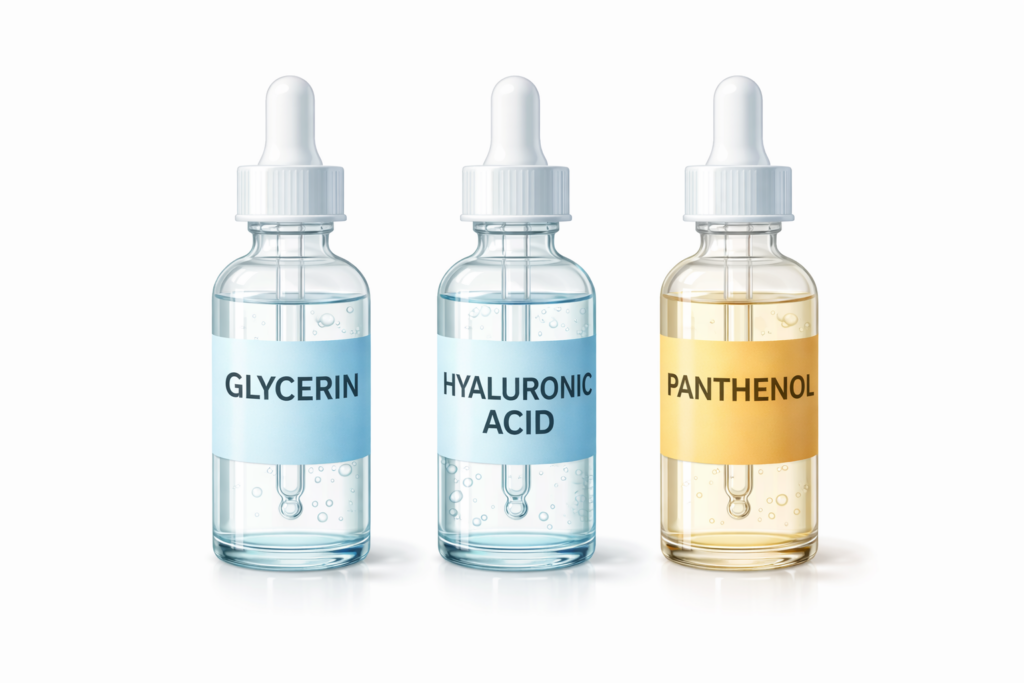
Ectoin has been called a hydration booster, barrier protector, and inflammation soother, but what happens when you combine it with other skincare actives? Most people with well-rounded skincare routines are not just applying one product. So it is important to know when to apply new ingredients you hear about and how they play with other ingredients that are probably already in your routine.
Unlike some trendy ingredients that compete or clash with others, ectoin plays well with just about everyone. In fact, part of its appeal is its ability to enhance, support, or buffer the effects of more potent ingredients, without leading to irritation.
In this article, we’ll explore how ectoin interacts with:
- Sunscreens and antioxidants
- Barrier-strengthening ingredients like ceramides
- Potentially irritating actives like retinoids or exfoliants
- Hydrators like hyaluronic acid
We’ll also look at what the science says about real synergy, and where the marketing may jump ahead of the evidence.
Ectoine & Sunscreen: A Smarter Way to Defend Against UV?
What The Science Says
Although there may be some marketing floating around claiming ectoin can be a replacement for sunscreen, ectoin isn’t a UV filter. That is the most important takeaway. Ectoin cannot replace your sunscreen. The reason ectoin is not an SPF replacement is that it does not block UV rays. However, it does protect skin from the damage caused by UV exposure.
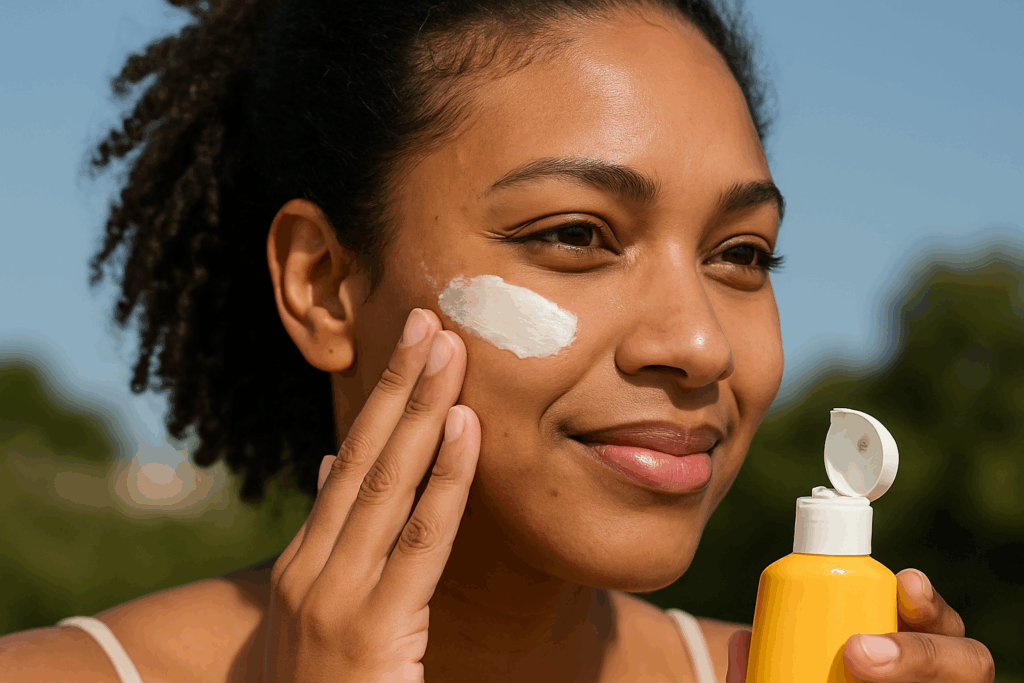
In lab studies (important to note this is not a clinical study, and results seen in the lab do not always translate to the clinic), ectoin:
And while all of these benefits have not been proven clinically, what has been proven is that the hydration shell it forms does help reduce the effects of UV damage. So in your skincare routine, when combined with traditional sunscreens, ectoin contributes to a more holistic sun protection plan.
Let’s move to the next common skincare ingredient and how it plays with ectoin.
Ectoine & Retinoids: Could They Be A Buffer Against Irritation?
Retinoids are gold-standard ingredients for acne and aging, but they come with a price: dryness, flaking, and irritation.
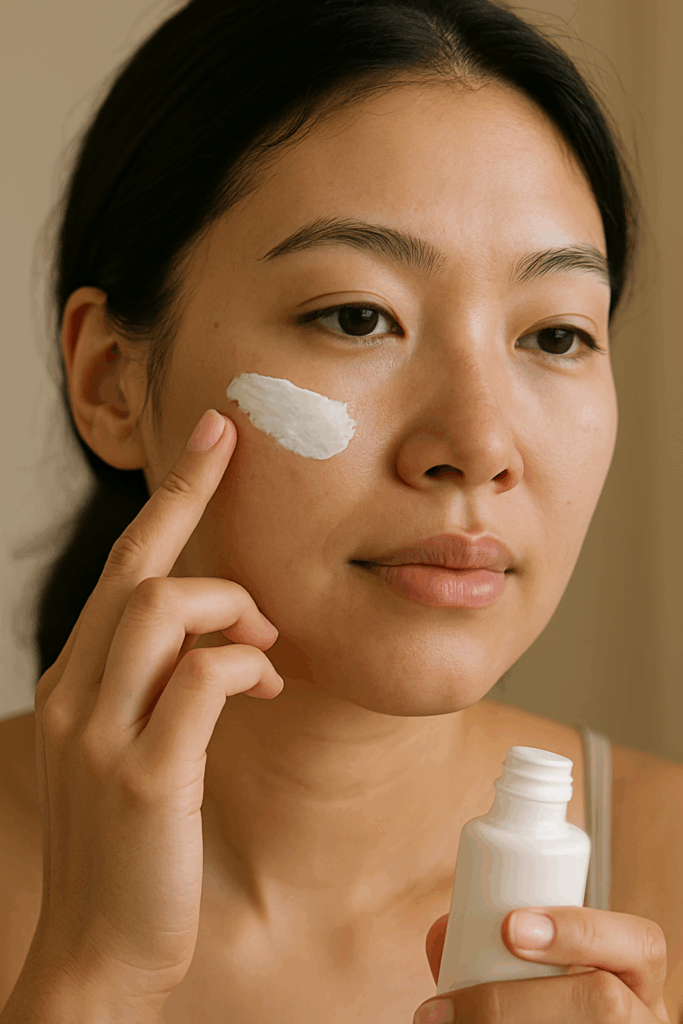
Ectoin’s membrane-stabilizing and anti-inflammatory effects make it a smart pairing. In one study, patients using isotretinoin, a systemic retinoid known to cause severe lip dryness, applied a 7% ectoin lip cream. And the result was relief that was comparable to a known healing agent.
This suggests ectoin may help counteract retinoid side effects without interfering with their function.
Ectoine & Hyaluronic Acid: Are You Able To Double Down on Hydration?
This combo is more than just a marketing hype; it’s clinically validated.
In a randomized controlled trial, a cream containing 1% ectoin + 0.1% sodium hyaluronate, one of the smaller forms of hyaluronic acid, was tested in children with mild-to-moderate atopic dermatitis. And the results were positive. The pairing seemed to offer additive benefits, improving hydration and inflammation better than either of the ingredients was able to do alone.
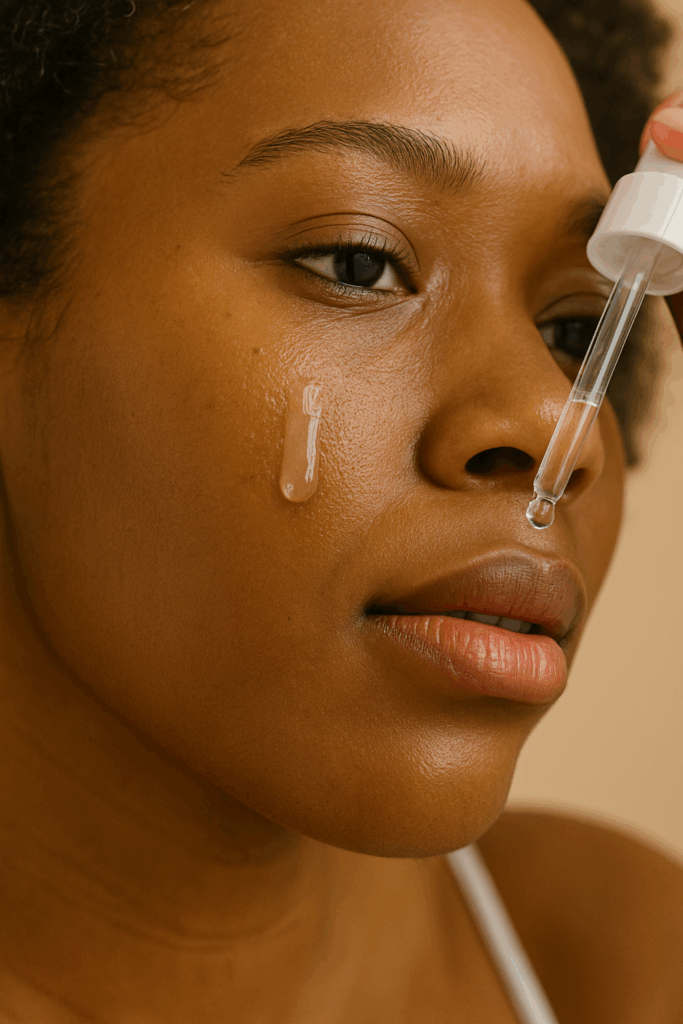
Ectoine & Ceramides or Barrier Actives: A Complement, Not a Replacement for Peak Barrier Protection
The skin barrier looks kind of like a brick wall. The bricks are skin cells, and the mortar that glues the cells together are important proteins and fats like ceramides. And one of the most common strategies to repair a damaged skin barrier is ceramides. Ceramides work by replenishing lost lipids in the skin barrier. In contrast, ectoin stabilizes water and cell membranes to prevent stress-induced breakdown. This makes the an excellent barrier-strengthening combination because they work via different mechanisms but toward the same goal. A stronger, more resilient skin barrier.
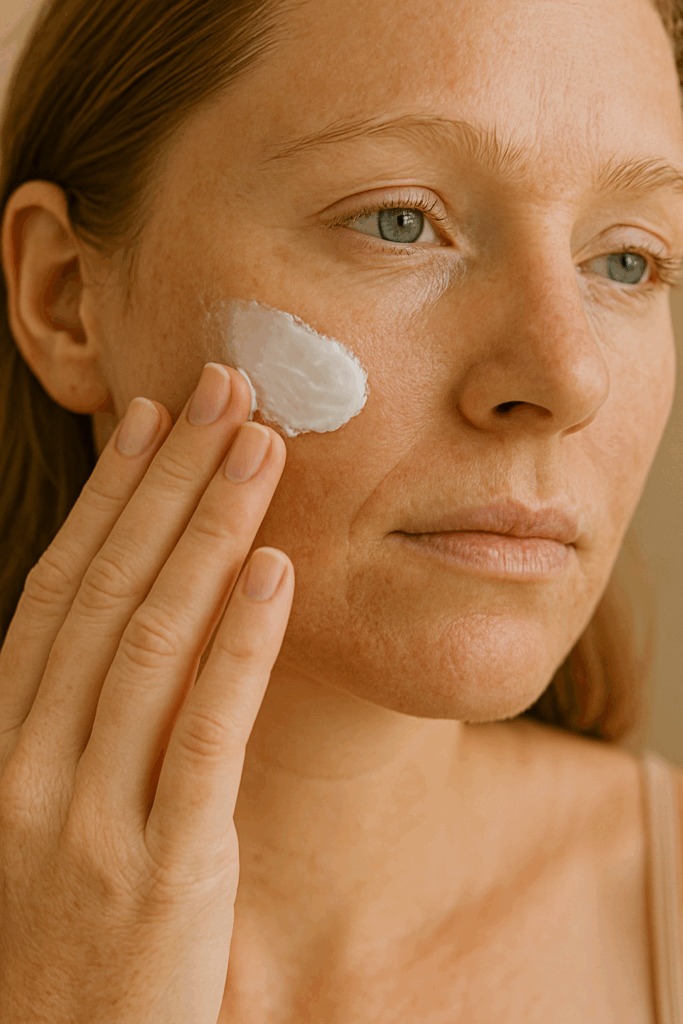
It is important to note, no direct clinical trials combine ectoine and ceramides; the science suggests they’re complementary because ceramides rebuild, and ectoin helps reinforce and protect.
Ectoine & Vitamin C or Other Antioxidants: Is it A Safe Sidekick?
Vitamin C and other antioxidants neutralize free radicals. While ectoin helps prevent their formation in the first place. This means similar to ceramides, they can theoretically complement each other while working differently towards similar goals. Ectoine is like a biochemical bodyguard, not a free radical scavenger like vitamin C.
Ectoine in Multi-Ingredient Products: Can You Trust the Synergy?
Many skincare products boast “ectoine + [insert trending active]” combinations, but do they all work? And honestly it is hard to say. The performance of all ingredients is so dependent on the way they are formulated together. This means if you want to know how well ingredients play with ecotin, your best bet is to look for clinical data on the product page.
So Is Ectoin Skincare’s All Around Team Player?
Ectoin is rare in that it offers scientifically grounded benefits without overwhelming the skin or complicating your routine. Whether you’re using actives like retinoids, layering antioxidants, or simply looking for better hydration, ectoin quietly amplifies your routine. Don’t expect this skincare ingredient to revolutionize your routine or deliver a miracle, but it can help amplify the benefits of an already solid routine.
References
Alexopoulos, A., Eberlein, B., Kompatscher, P., Läuchli, S., Reimann, K., & Staubach-Renz, P. (2022). A randomized, observer-blind, vehicle-controlled multicenter trial of an ectoine and hyaluronic acid-containing cream for atopic dermatitis in children. Journal of Dermatological Treatment, 33(7), 3300–3307. https://doi.org/10.1080/09546634.2021.2000172
Fontbonne, D., Becquart, F., & Kurzen, H. (2024). Positive and ecobiological contribution in skin photoprotection of ectoine and mannitol combined in vivo with UV filters. Photodermatology, Photoimmunology & Photomedicine, 40(1), 19–29. 10.1111/jocd.15893
Heinrich, U., Garbe, B., Tronnier, H., & Wiegand, C. (2007). In vivo assessment of ectoine: A randomized, vehicle-controlled clinical trial. Skin Pharmacology and Physiology, 20(4), 211–218. 10.1159/000103204
Jeong, D., Lee, J., Jeong, H., Kim, B., & Kim, Y. (2019). The skin-whitening effects of ectoine via the suppression of α-MSH-stimulated melanogenesis and the activation of antioxidant Nrf2 pathways in UVA-irradiated keratinocytes. International Journal of Molecular Sciences, 20(19), 4941. https://doi.org/10.3390/ijms20194941
Kudryavtseva, A., & Migaliev, D. (2017). Topical ectoine application in children and adults to treat inflammatory diseases associated with an impaired skin barrier: A systematic review. Clinical, Cosmetic and Investigational Dermatology, 10, 517–531.10.1007/s13555-021-00676-9
Lefort, R., Durbec, F., & Lhomme, C. (2019). Genotoxicity of visible light (400–800 nm) and photoprotection assessment of ectoin, L-ergothioneine and mannitol and four sunscreens. Journal of Photochemistry and Photobiology B: Biology, 198, 111573. 10.1016/j.jphotobiol.2008.01.008
Reuter, S., Schiller, M., & Bauer, G. (2010). Ectoines as novel anti-inflammatory and tissue protective lead compounds with special focus on inflammatory bowel disease and lung inflammation. Inflammation Research, 59(12), 573–581. doi: 10.1016/j.phrs.2020.105389.
Wolnicka-Glubisz, A., Stachurska, A., & Zaleska, K. (2019). The influence of ectoine on the skin parameters damaged by a CO₂ laser. Applied Sciences, 9(23), 4998. https://doi.org/10.3390/app923499