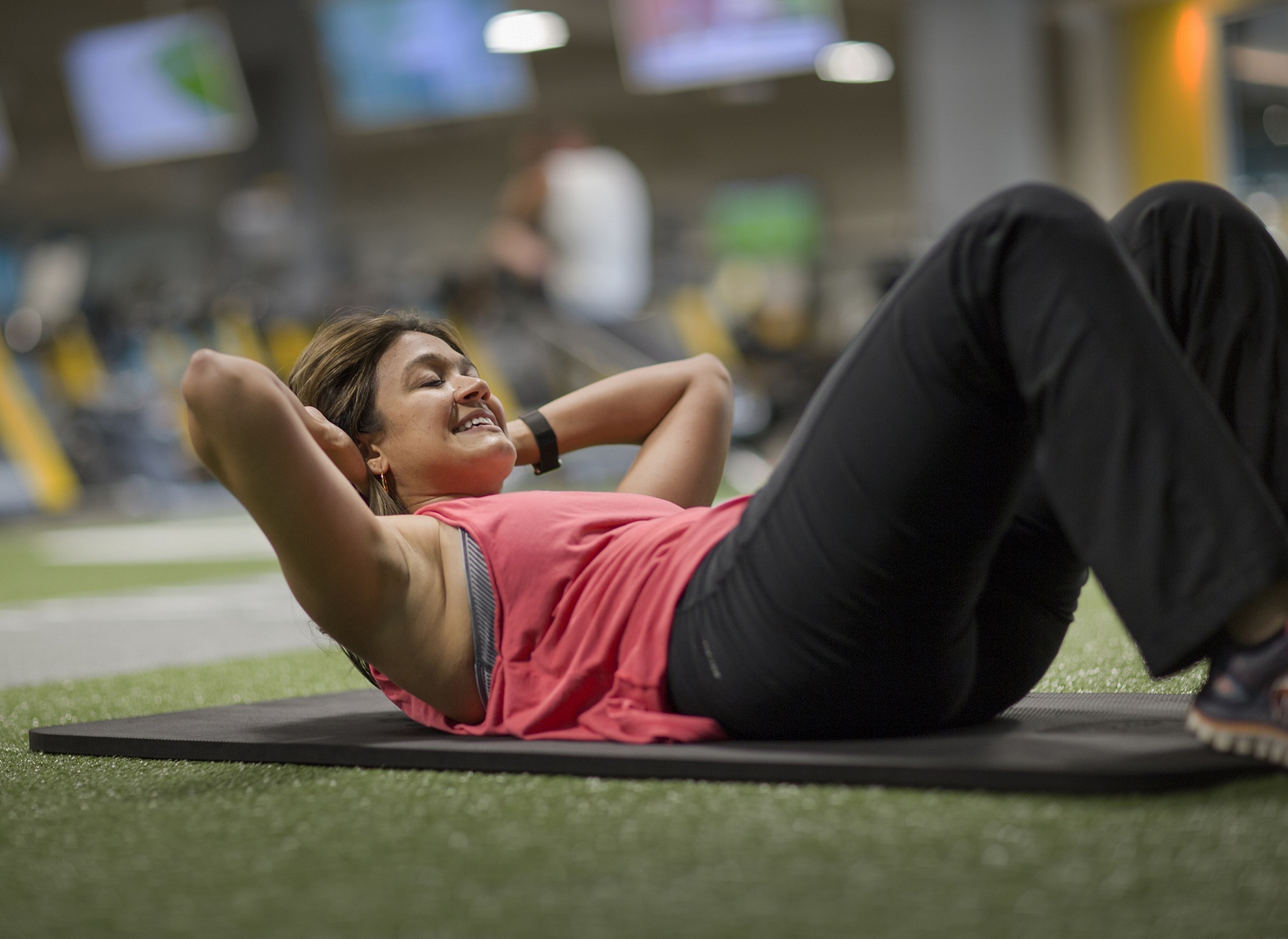
You just finished your workout. You challenged yourself, felt strong, and walked out feeling accomplished. But what happens next matters just as much as the workout itself. Post workout recovery is the process your body goes through after exercise to restore energy and prepare for your next session.
While workouts challenge your muscles and cardiovascular system, recovery is what allows your body to adapt to that work in a healthy and sustainable way. Recovery supports muscle repair and helps regulate inflammation and stress. Without it, even the best workout routine can begin to feel draining or uncomfortable.
No matter where you are in your fitness journey, recovery is not about slowing down, but about giving your body what it needs to keep moving forward. In this article, we’ll discuss how to listen to your body and support its recovery so that you can feel your best inside and outside the gym.
How Long Does Recovery Usually Take After a Workout?
Recovery timelines can look different from person to person, and that variability is completely normal. A variety of factors can influence how long your body needs to recover, including:
- Workout intensity
- Exercise type
- Training experience
- Sleep quality
- Nutrition
- Hydration
- Stress levels
For many people, mild muscle soreness may appear within 12 to 24 hours after exercise and peak between 24 and 72 hours. This sensation, often referred to as delayed onset muscle soreness (DOMS), is common after strength training or longer workouts.
Lower-intensity workouts, such as steady cardio or mobility-focused sessions, may require very little recovery time. More demanding sessions, including resistance training or interval-based workouts, often benefit from additional rest or lighter movement days. Recovery supports this adaptation and helps prevent fatigue from accumulating over time.
Why Is Recovery Beneficial for Your Body and Mind?
Recovery plays a central role in muscle repair. During exercise, muscles experience microscopic stress that signals the body to rebuild and strengthen tissue. Recovery provides the time and resources needed for that rebuilding process to occur.
Mental recovery is equally important. Exercise places demands on the nervous system, especially during high-effort or complex workouts. Rest and relaxation allow that system to reset, supporting focus and emotional balance.
When you prioritize recovery, workouts may feel more sustainable. That’s because your energy levels are more consistent, and movement becomes something that supports your overall well-being rather than something that feels overwhelming.
How Can You Reduce Soreness After Exercising
Muscle soreness is common after working out, especially when trying new exercises or increasing intensity, but several simple strategies can help reduce discomfort. One of the most effective tools is light movement. Gentle activity, such as walking or easy cycling, increases blood flow to muscles and helps deliver oxygen and nutrients to support their repair.
Stretching and mobility work can also help reduce stiffness and maintain range of motion. Rather than forcing deep stretches, slow and controlled movements tend to feel more comfortable after a workout. Taking time to move joints through their natural patterns can ease tightness later in the day.
Hydration plays a key role as well. Fluids help with:
- Regulating body temperature
- Supporting circulation
- Absorbing nutrients
Foam rolling and other forms of self-myofascial release may also help reduce the sensation of tightness. While foam rolling can feel intense, it should not be painful. Moving slowly and breathing steadily can make the experience more effective and supportive.
What Should You Eat After a Workout?
Nutrition plays an important role in post workout recovery by helping restore energy and support muscle repair.
After exercise, your body benefits most from a balance of protein and carbohydrates.
- Proteins supply amino acids that help repair and rebuild muscle tissue.
- Carbohydrates replenish glycogen, which is the stored energy your muscles use during physical activity.
Together, protein and carbs can support muscle recovery and prepare your body for future movement—and the meal options are nearly endless:
- A smoothie with protein and fruit
- Yogurt paired with whole grains (like whole grain granola) or fruit
- A balanced meal with lean protein, vegetables, and complex carbohydrates (like brown rice or sweet potatoes)
- A snack that combines protein with a carb source, such as nut butter on whole-grain toast
Eating within a couple of hours after exercise will provide your body with these essential nutrients, but keep in mind that timing is less important than consistency. Maintaining balanced nutrition throughout each day will support recovery more effectively than focusing on a specific post-workout window.
What Helps Muscles Recover Faster?
Several habits can help support faster, more comfortable recovery. Rather than relying on a single strategy, combining multiple recovery practices can help your body repair and recharge more effectively.
These habits include:
- Prioritizing sleep – During sleep, your body releases hormones that support muscle repair and immune function. Getting consistent, high-quality sleep is one of the most effective ways to support recovery after workouts.
- Moving your body gently – Low-intensity movement on recovery days promotes circulation without adding extra stress. Activities such as yoga, light stretching, or relaxed walking can help reduce stiffness while keeping your body gently active.
- Practicing stress management – Ongoing stress can interfere with recovery by increasing muscle tension and disrupting sleep. Practices such as deep breathing or taking intentional time to unwind can support both physical and mental recovery.
Remember that recovery isn’t about avoiding movement altogether but about choosing the right type and intensity of activity based on how you feel each day.
Common Post Workout Recovery Mistakes to Avoid
Being aware of common post workout recovery missteps can ensure you support your body effectively and keep your fitness routine feeling sustainable.
Some common recovery mistakes include:
- Skipping recovery altogether – Prioritizing workouts without giving attention to rest, hydration, or nutrition can lead to accumulating fatigue. Recovery helps your body reset and supports consistency over time.
- Assuming soreness equals progress – While some soreness is normal, ongoing or intense soreness is not required for improvement. Progress comes from regular movement paired with adequate recovery, not from discomfort.
- Neglecting foundational habits – Inconsistent sleep or hydration can slow recovery and affect how your body responds to exercise. These foundational habits support every system involved in movement and repair.
- Relying on a single recovery strategy – Recovery is most effective when multiple habits work together. Combining movement, rest, nutrition, and relaxation creates a more balanced approach that fits real-life routines.
By avoiding these common pitfalls, recovery can become a supportive part of your fitness journey rather than an afterthought.
How Does Consistent Recovery Support Long-Term Fitness?
Consistent recovery plays a key role in helping fitness feel sustainable and enjoyable over time. When you take care of your body, it becomes easier to maintain a routine and continue making progress at your own pace.
In particular, recovery supports long-term fitness by helping you:
- Maintain consistency – When your body feels cared for, workouts feel more approachable, making it easier to stick with a regular routine.
- Adapt physically – Adequate recovery allows your body to adapt to movement. This process supports gradual improvements in strength and endurance while helping reduce fatigue and lingering soreness between workouts.
- Build mental resilience – Recovery also helps reduce burnout and supports a more positive mindset, encouraging confidence and motivation rather than pressure around fitness.
How Can Chuze Support Your Post Workout Recovery?
In addition to the recovery habits you can practice anywhere, like stretching and deep breathing, Chuze offers optional recovery resources designed to help you slow down and feel more comfortable after workouts.
The Chuze Recovery Studio is intentionally created as a space where recovery feels approachable and easy to incorporate into your routine.
Depending on your location, The Recovery Studio may include amenities such as:
- Hydromassage
- Massage chairs
- Red light therapy
- Stretching tools
- Compression boots
These offerings can support relaxation and comfort after physical activity, especially more demanding workouts. Many members use these tools to unwind, release muscle tension, and give their bodies time to reset before heading back into daily life.
Whether you use the Recovery Studio occasionally or make it part of your regular routine, these amenities provide a simple way to prioritize how your body feels.
By creating space for recovery alongside movement, Chuze reinforces the idea that feeling good is just as important as staying active.
At Chuze, Recovery Is Part of the Workout
Post workout recovery is an essential part of movement and well-being. By supporting muscle repair, reducing soreness, restoring energy, and caring for your mental health, recovery makes fitness feel more sustainable over time.
Simple habits like hydration, balanced nutrition, gentle movement, rest, and sleep also make a meaningful difference when practiced consistently. Pair these habits with optional resources like the Chuze Recovery Studio, and watch recovery become something you look forward to rather than something you rush through or overlook.
At Chuze Fitness, we believe recovery is about supporting how your body works, honoring your efforts, and creating space to recharge. With this approach, you can continue to show up and enjoy your fitness journey in a way that suits your lifestyle and goals, both inside and outside of the gym.
Sources:
American Heart Association. Food as Fuel Before, During and After Workouts. https://www.heart.org/en/healthy-living/healthy-eating/eat-smart/nutrition-basics/food-as-fuel-before-during-and-after-workouts
Cleveland Clinic. Aerobic Exercise. https://my.clevelandclinic.org/health/articles/7050-aerobic-exercise
Cleveland Clinic. Should You Try Foam Rolling? https://health.clevelandclinic.org/foam-rolling
Healthline. What Is Delayed Onset Muscle Soreness (DOMS) and What Can You Do About It? https://www.healthline.com/health/doms
Journal of Applied Physiology. Muscle damage and inflammation during recovery from exercise. https://journals.physiology.org/doi/full/10.1152/japplphysiol.00971.2016
National Heart, Lung, and Blood Institute. Why Is Sleep Important? https://www.nhlbi.nih.gov/health/sleep/why-sleep-important
National Library of Medicine. Water, Hydration and Health. https://pmc.ncbi.nlm.nih.gov/articles/PMC2908954/