Published January 30, 2026 01:33PM
Last week, the Saturday morning class at Yess Yoga on 26th Street in Minneapolis began like any other. But as the 8:30 am class neared the end of the hour and students quietly settled into Savasana, the teacher let out a hushed, “Oh no, oh no, oh no.”
She had glanced at her phone and learned that, according to early reports, a protester—later identified as Alex Pretti—had been fatally shot during an encounter involving U.S. Customs and Border Protection (CBP) agents. It was the second fatal encounter involving federal agents in Minneapolis in less than three weeks, according to local reporting.
Within minutes, the neighborhood of Whittier became unrecognizable, explained the studio’s founder and owner, Lucia Yess, who described an influx of protesters filling the streets as well as CBP agents throwing tear gas canisters and blocking vehicles from passing through the nearby intersection.
Yess cancelled classes for the rest of the day. But students were already arriving for the 10 a.m. class, and street closures left those with vehicles unable to return home. Some locals came by the studio, confused by the disruption.
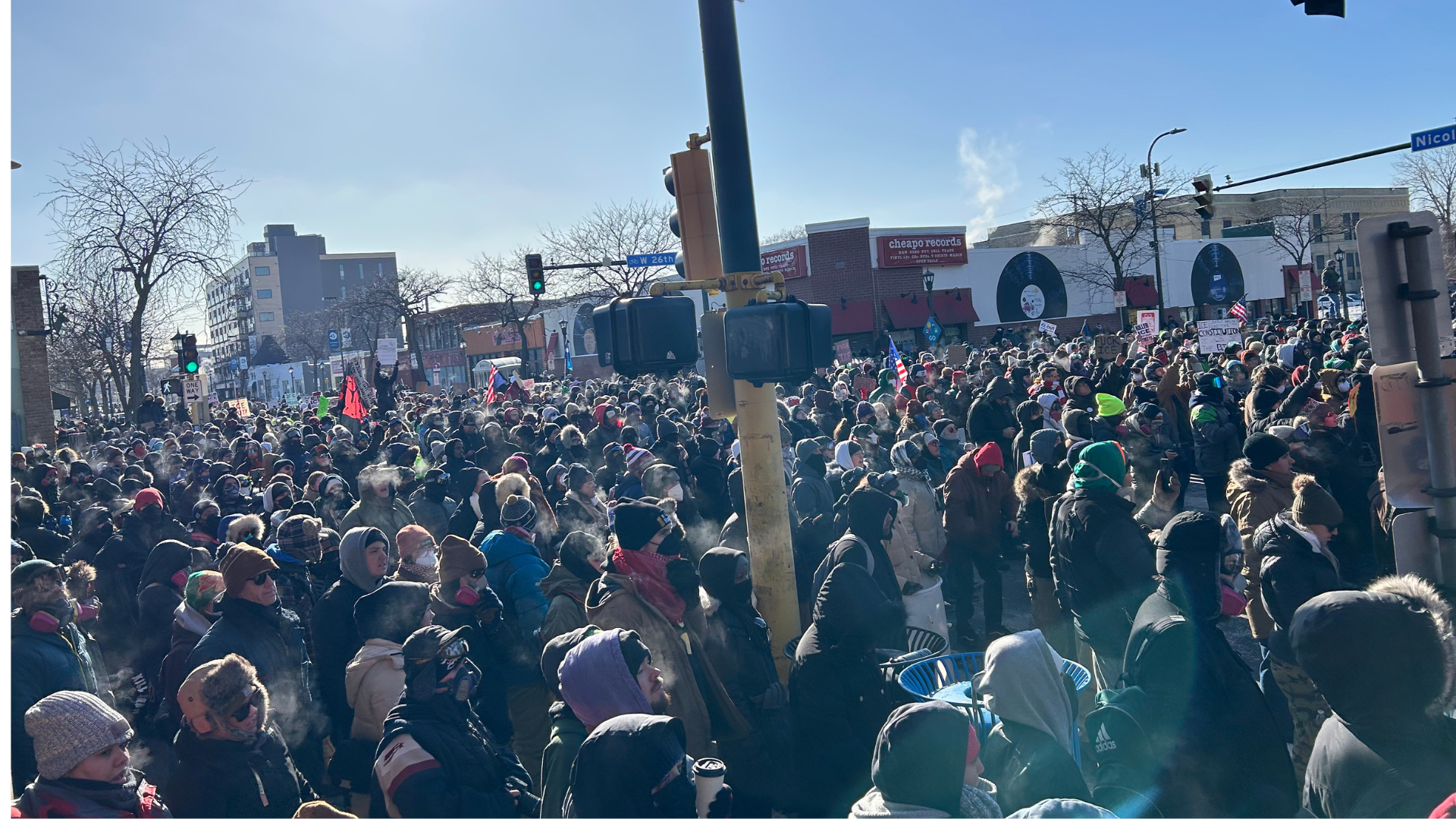
With protesters outside in subzero temperatures and a wind chill of 40 below, Yess says there was little question about how she would respond. “We didn’t have class, but we opened the doors to the community to shelter in place as they were getting tear gassed and shot at with rubber bullets,” she explains. “There was smoke and tear gas everywhere. You couldn’t leave because you couldn’t breathe.”
Within hours, the studio became a place where protestors and community members could warm themselves and be among others. One of the studio’s teachers, who is also a public health professional, voluntarily arrived to assist people flushing their eyes after exposure to tear gas. A quiet space was designated upstairs.
By early afternoon, the tear gas was dissipating, the blockade had been dismantled, and the studio slowly began to empty. Classes resumed the next morning.
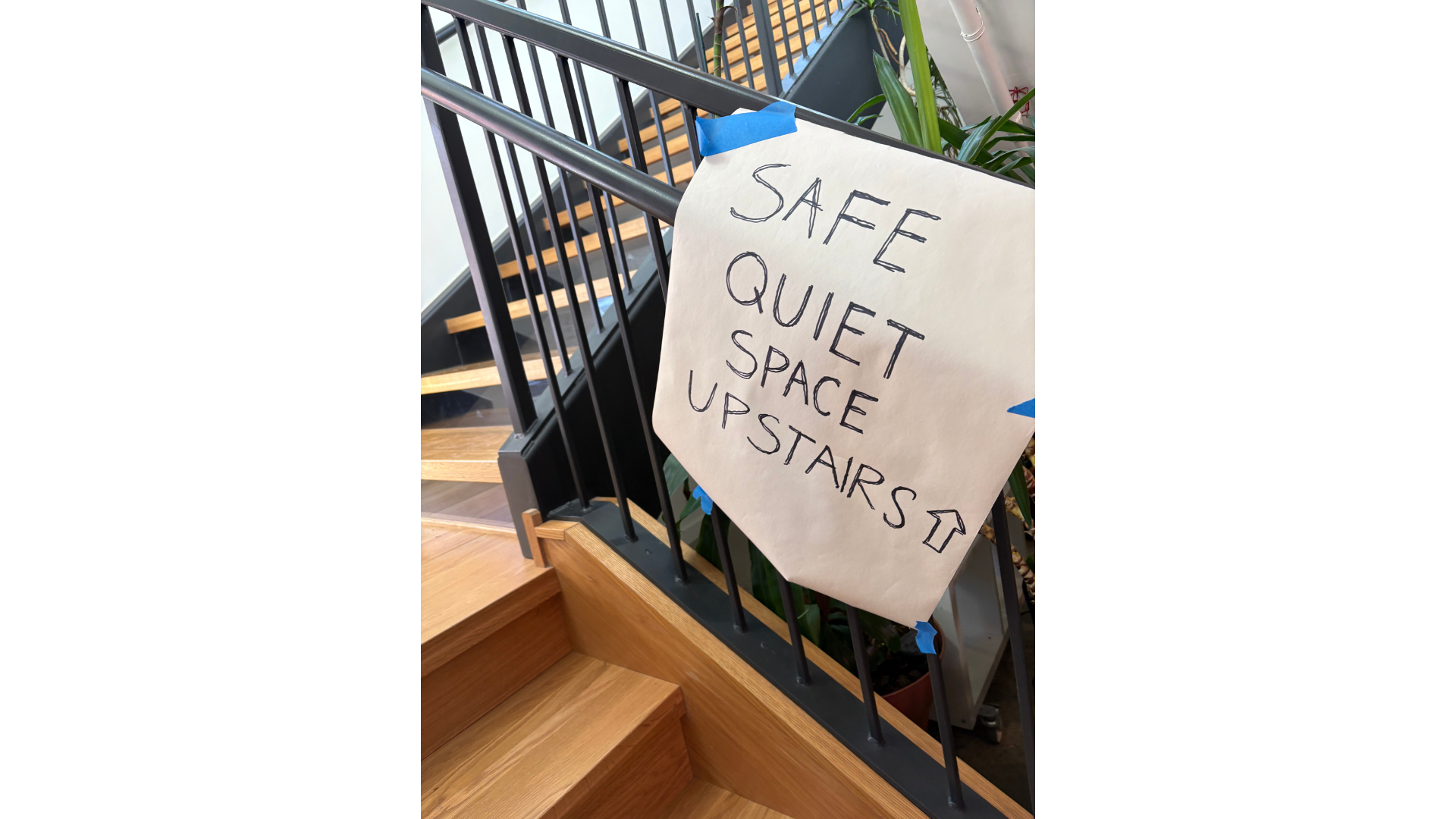
Yess says she doesn’t view creating a safe space within her studio as an act of activism. Instead, she sees it as an extension of her background in social work and social justice and in alignment with the vision she had when she created the yoga studio, which she describes as “a third space that is inclusive and human-centered.”
That work began well before the events of January 24. As immigration enforcement activity has increased in recent months, yoga studios across Minneapolis have quietly expanded their role beyond classes to meet basic, everyday needs. At Yess Yoga, those efforts include collecting and distributing diapers, wipes, and formula to local families. Yess says some families have limited how often they leave their homes out of fear of immigration enforcement activity, and that many students are also volunteering elsewhere in the community, including helping walk children to and from school.
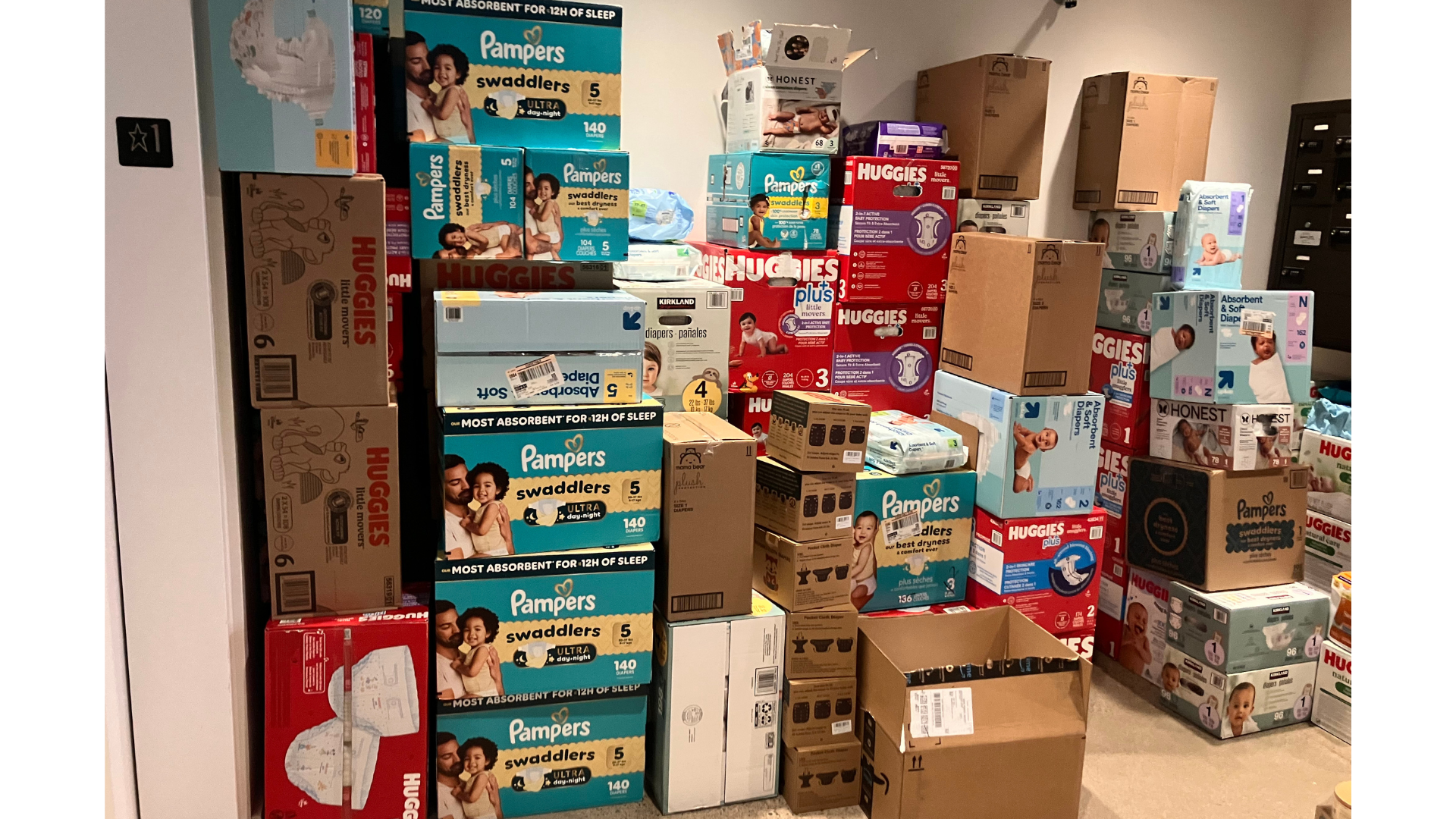
The studio has also launched a mutual aid drive, supported by one teacher who helped acquire donated blood pressure cuffs for community members who weren’t attending regular medical appointments. “People aren’t going to their little child visits, they’re not going to their high-risk pregnancy visits, they’re not going to preventative care,” says Yess. “They’re not getting the resources that they would get.”
Other studios are responding in similar ways. About 20 blocks away, at Yoga Sanctuary, a nonprofit yoga studio, founder Shelley Pagitt along with dozens of volunteers have organized to sponsor immigrant families who have been sheltering in place for weeks. The individuals pool resources and money to support dozens of families with rent, groceries, and everyday needs including laundry and getting children to school.
“People are afraid to be outside in the city and in their cars,” says studio owner Shelley Pagitt, adding that many of her yoga students are helping get children to school because some families don’t feel safe being out.
One student at Yoga Sanctuary brought in whistles, leaving them in the lobby as part of an informal community alert system that some residents use when immigration enforcement activity is reported nearby. The studio has also been collecting gloves, socks, and other forms of winter wear and sharing information from the Minnesota Association for Children’s Mental Health on how to support children during what can be a confusing and overwhelming time.
Minneapolis Yoga has also expanded its support, organizing a grocery drive and a volunteer rideshare program so students who feel anxious about walking or driving alone can carpool to class. Even so, some students have stopped attending altogether. “We have a diverse community, and unfortunately, we haven’t been seeing some of our regular people lately,” says Minneapolis Yoga owner Melissa Sargent. ”That affects how our studio feels. We’re missing some people.”
How Minneapolis Yoga Studios Are Supporting Students
Amid the material support that yoga studios have provided to the community in recent months, studio owners say there remains another essential role: continuing to offer yoga itself. In addition to regular classes, some studios have also held quiet gatherings to help their students slow down, regulate their nervous systems, and process what’s unfolding around them. Many studios are also offering online yoga classes that students can take at home for those who don’t feel safe leaving their residence.
“There’s just a blanket of heaviness,” explains Sargent. ”Going back to when we first started noticing ICE in the city, but certainly the last several weeks.” Although this is taking place everywhere in the city, she explains, it feels more intense in a studio setting when you’re sitting alongside people.
Two days after Renee Good was fatally shot by a federal ICE agent on January 7 in Minneapolis, Yoga Sanctuary offered a Collective Pause—an hour-long session intended simply to be together in stillness. It was introduced on the studio’s Instagram as, “When words fall short, when anger and grief are brimming, when nervous systems and bodies are buzzing from outrage and fatigue…”
That exhaustion is shared by many students, including those whose work supports immigrant and immigrant-adjacent communities. “Many of our students are therapists or teachers,” explains Pagitt. “They’re working in the community and coming for their mental, emotional health and well being, so that they can go back out.”
For studio owners, supporting this effort can be intense.
“It’s a lot of weight to carry,” says Sargent. Even so, outreach continues. “If you need to move, breathe, be somewhere with kind people and put your thoughts aside for an hour or two, we get it,” reads a recent Instagram post by her studio. “We want to help you take care of yourself.” The post includes a code allowing new students experiencing financial challenges to take classes for free.
Similarly, Yess Yoga set up a name-your-own-price free or donation-based approach for all of its classes. “Because most people are donating to mutual aid, and that would be their extra funds to come to classes. And so we want people to be able to still maintain a center point that feels like they can operate in their value system when emotions are high,” explains Yess.
What each studio emphasizes is that although there are no clear solutions, there are ways to help process what’s happening. And that can look different for each person.
“What’s happening is unprecedented. You might not know what to do and how to engage,” says Yess. “It’s okay not to know what to do right away. Yoga helps you navigate discomfort and insecurity. These practices can bring you into more consciousness, which can support grounded action.”
As teachers, studio owners have witnessed the effect yoga has on themselves and others, and they consider it a necessity now more than ever. “The reality is people want to do something. It’s wonderful that people feel they can make an impact,” says Yess. ”Action is therapeutic, that’s why asana works, because it supports us to make change. And I think people want to know what to do right now.”