
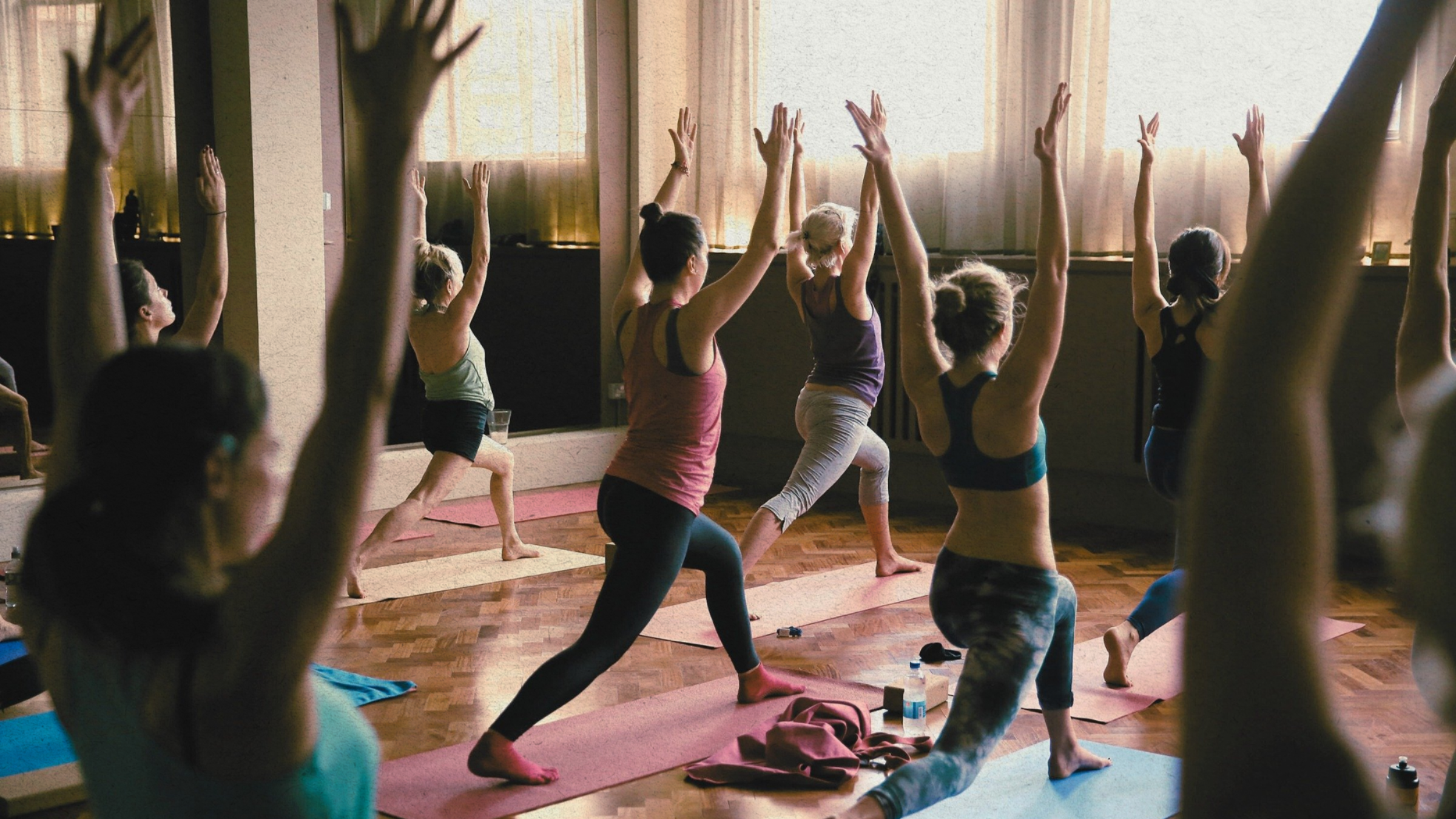
Yoga class can be a container for transformation—if it feels like a safe place to be.
(Photo: Tim P. Whitby/Stringer; Getty Images; Canva)
Published March 1, 2026 06:18AM
It can be hard to make every single person in a yoga studio feel comfortable. Each class brings together a group of unique individuals that bring varied knowledge, body types, mobility, and so much more.
If the goal to to offer a truly transformative practice—and a class students want to return to again and again—a welcoming environment for all should be the goal. But what, exactly, does that include? In short, the vulnerability that comes with yoga requires a container that supports it. Paying attention to the accessibility, vibe, and clarity in and around any class is a strong place to start.
Things Students Need to Feel Comfortable In Yoga Class
Permission for everyone to come as they are and more can help make yoga class feel like a more sacred space for students.
1. An Atmosphere of Openness
There’s a reason that making it to your mat is always a big deal—which is why it should feel like a good place to be!
Yoga class doesn’t need to be all sunshine and rainbows, but a general air of acceptance and friendliness can help everyone really relax and show up for their practice. It helps to remember that trying a new class, or even attending a familiar class on an off day, can be intimidating for students.
2. Pre-Class Prop Instructions
Pausing your practice to scurry over and grab the blocks and strap you need is never a good time. Making sure that every students knows what props they should have before class starts is always a good idea, even if that means repeating the details a few times.
3. Consent Before Hands-on Adjustments
This is a big one. Hands-on adjustments can be incredibly helpful for accessing a safe and aligned expression of a pose, but not every student is comfortable being touched. Asking permission is a must. This can look like asking for consent to adjust on a mat-by-mat basis, or offering students cards before class to make their preferences silently understood: face up means open to adjustments, face down means “no thank you.”
4. Kindness
Teachers have bad days, too! Still, a lack of kindness and warmth can result in a space that feels unwelcoming, especially for students who already feel intimidated simply by the practice. As with most jobs, leaving your stuff at the door and showing up as your best self will usually result in a better experience for everyone.
5. Clear Class Descriptions
While regulars have learned what to expect from every teacher, class type, and time slot on the schedule, newbies to a studio have no idea what they’re walking into unless you tell them. Listing expected levels and styles on your public-facing schedules can help students decide which classes make the most sense for them.
6. Audible Cues
Allowing yourself to sink into your yoga practice requires an ability to easily follow along with class. This means clearly worded cues that can be heard over any music. Even if most of the class knows the sequence, assuming everyone knows what pose is coming next or how to transition into it can make some students feel lost and confused.
7. Thoughtful Variations
Not every body is able to access every pose in the same way. Offering variations—including multiple versions of more challenging poses—helps ensure that everyone in class is getting some of the benefits of each pose.
8. Patience
Yoga teachers are pros—it comes with the territory. Yoga students are students. Learning is the goal! Remaining patient while students move through poses is among the most important roles of the teacher.
9. Enough Quiet to Have a Personal Experience
Music is fairly ubiquitous in contemporary yoga classes. But a moment (or several) of turned-down tunes or even silence helps allow many students to tune into their own mindscape, breath, and so much more.
10. Teachers that Show Up as Themselves
Authenticity promotes authenticity. When teachers come to class as their true and fallible selves—occasionally fumbling cues, forgetting part of a sequence, occasional laughter, and all of it—they grant students permission to do the same.
11. Empowerment to do What Feels Right for Your Body
No one can possibly know what’s going on in the minds and bodies of every yoga student in class. Ample reminders that this time is for them and that they should do whatever they need, within reason of course, are always welcome. This includes the option to opt out of any pose at any time and the freedom to drop into Child’s Pose or Downward-Facing Dog or Savasana whenever needed—and without judgement.
12. Savasana
Or, if not Savasana, some sort of closing—five or more minutes of true stillness, no shortchanging. Without at least a few minutes of integration at the end, even the most meaningful yoga classes can end on an unfinished note.




![How to know if your plan is working [Nerd Fitness Challenge]](https://www.nerdfitness.com/wp-content/uploads/2016/07/nf-logo.png "How to know if your plan is working [Nerd Fitness Challenge]")