It brought so much more than I’d expected.
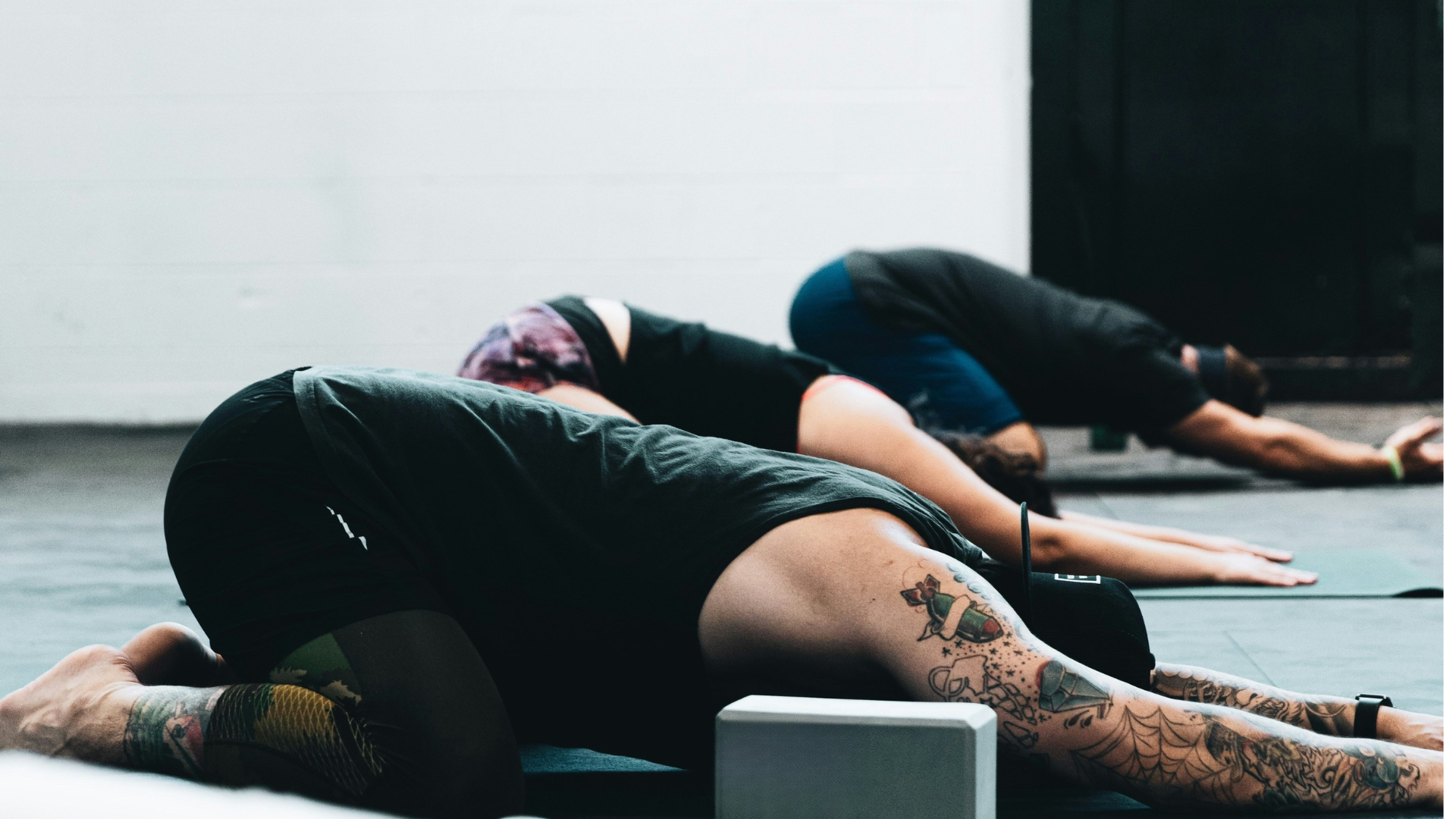
(Photo: Logan Weaver | Unsplash)
Published March 20, 2026 06:06AM
I’ve always struggled with finding any mastery of Spanish. Eight years of classes bounced right off my brain and Spanish meetups did little to connect me with the language. I made some serious strides while living abroad, although most days felt like a series of language mistakes. With decades of doubt lingering in my mind, I was more than a little nervous to try yoga in Spanish.
But I missed the language (Seattle isn’t exactly a bastion of Latin culture) and I figured the class would offer a little something different. Also, it was free. So a few weeks into the new year saw me walking into a Seattle yoga studio, the only white guy in a sea of mats belonging to what I guessed were Spanish speakers.
“Sientate, por favor,” the instructor said kindly as we settled into class.
It’s important to note that I have also struggled with my yoga practice in general for the last decade. I am a lifelong athlete, overthinker, and perfectionist who struggles to stay present, connect with my breath, and get the most out of any attempt at yoga, in large part thanks to my swirling thoughts and overemphasis on getting things right.
Yet there on the mat, craning my neck to catch every word, I suddenly felt something I’d struggled for years to grasp: presence. As the instructions flowed in clear, concise Spanish, I was able to lock in and focus in a way I’d never experienced on the mat. Let’s just say it wasn’t exactly easy for my attention to wander while my mind was busy translating every single word.
At first, I thought this would be exhausting and unsustainable. But as class went on, I found it to be the opposite. Each movement became an energizing puzzle. As I connected with familiar movements in unfamiliar contexts, my body felt invigorated, my breath fell into a steady cadence, and my insecurities began to unravel as I tried to stay in the rhythm of the class.
Sure, there were some words that slipped past me. Okay, a lot of words. But I wasn’t worried about that; I wasn’t worried about anything. I had stopped focusing on doing everything exactly right and instead tried to piece together the movements in my own way. This was the yoga that I’d been trying so hard to force yet had never experienced.
Finally, the concept of withdrawing your senses made sense. More than just another word in another language, pratyahara was something I was experiencing. (It’s not lost on me that it took an explanation in a language not my own for the concept to finally land.) No longer cheating my practice, I was finally able to understand what it meant to be right there on the mat—to have the present be my only concept of time and space.
Trying a different language can be an interesting experience. It can intimidate and break you down. It can be a seemingly insurmountable obstacle that keeps you from truly expressing yourself. Yet with a slight perspective shift, it can also expose your blemishes as a positive shade of imperfection.
My yoga practice was suffering from a similar identity crisis. I just hadn’t realized it. What I found through taking yoga in Spanish is that discomfort can lead to an ease that I’d never known was possible.
Was it pretty? Debatable. Was it enlightening? More than I ever thought possible. Pa’lante, amigos.