
There are so many different types of dietary supplements out there that it can be hard to know which ones to choose! The seemingly endless variety can be overwhelming, and there are a number of factors to consider before making your selection.
If you’re not sure where to start, this article is here to help! Below, you’ll find a basic overview of the most common supplement forms, the key pros and cons for each, and some things to keep in mind before buying. Though the world of supplements may seem confusing now, you’ll be well-versed in no time!
What is a Supplement?
First things first: what qualifies as a supplement? According to a recent study, 74% of Americans take dietary supplements, so it’s a good idea we understand what supplements refer to!
In a nutshell, dietary supplements are concentrated nutrients, such as vitamins, minerals, amino acids, herbs, probiotics, and enzymes. They come in a variety of different forms, from standard capsules all the way to IV infusions; however, the most commonly used supplements include tablets, liquid/powder capsules, gummies/chewables, liquids, and powders.
Ideally, we want to be getting the majority of our nutrients from a whole-foods-based diet (even the best supplements out there can’t make up for a poor diet!); however, dietary supplements can be useful when compensating for issues such as impaired digestion, nutrient deficiencies, malabsorption etc. and certain life stages (e.g., pregnancy).1
Things to Consider
When choosing a supplement, there are a number of factors to take into consideration, such as:
- Bioavailability
- Nutrient form
- Allergens & additives
- Quality control
- Working with a practitioner
Bioavailability
When it comes to bioavailability, it’s all about absorption! Bioavailability refers to a nutrient’s capacity to be absorbed and used by the body. There are a variety of factors that impact nutrient absorption, such as diet, overall health, digestive issues, stress, medications, and even the form of the nutrient itself (we’ll get to that next!), as well as its delivery system (i.e., the type of supplement).
Certain supplement forms are typically more bioavailable than others; it all revolves around how much work the body has to do to break down the supplement in the digestive tract so the nutrient(s) can be absorbed. The less work the body is required to do to access the nutrient(s), the more bioavailable that supplement becomes. And the more bioavailable a supplement is, the easier (and quicker!) it is for the body to absorb the nutrient(s).
Generally speaking, the easiest type of supplement to absorb is a liquid, the hardest is a tablet, and the order from easiest to hardest to absorb is: liquid, powder, gummy/chewable, capsule, tablet.2 So, to get the most out of our supplements, bioavailability is a key component to consider!
Nutrient Form
Before nutrients can be used by the body, they need to be converted to their active form. However, supplements contain nutrients in a wide variety of forms (e.g., folate vs. 5-methyltetrahydrofolate), and some are less biologically active than others.
Ideally, you want to select a supplement with nutrients in their active form, which means they can be immediately used by your cells. Less active forms are cheaper to produce and are therefore usually less expensive; however, the body has to convert these nutrients to their active form before they can be put to use.1
Again, it’s a matter of how much work the body has to do to gain access to the nutrients; active forms bypass the process of metabolizing nutrients to their usable form, which means they can be directly used by your cells and are more effective as a result.
Usually, a simple internet search can help you determine the active form of a nutrient; however, it’s always best to consult a knowledgeable wellness guide to determine which form is right for you.
Allergens & Additives
Whenever possible, look for supplements that are free of common allergens (wheat, gluten, dairy, corn, soy) and additives such as artificial colors, flavors, sweeteners, fillers, and preservatives. High-quality supplements typically steer clear of these inactive ingredients, as they can often be irritating and may cause negative reactions.1
Quality Control
Dietary supplements are loosely regulated by the FDA, so it’s important to confirm each product has been tested for safety, purity, and potency, ideally by a third party (though some supplement companies perform rigorous testing in-house).1 You can usually find this information on the supplement label; however, you can check with the manufacturing company as well. Remember to buy from trusted sources; some high-quality supplements are only sold through practitioners’ offices or professional dispensaries.
Working with a Practitioner
To ensure you are taking safe and effective products appropriate for your health concerns and goals, always remember to work with a knowledgeable wellness guide! It can be challenging to know which supplements are right for you, especially if you are taking any medications, have a medical condition, or are pregnant or breastfeeding. So don’t go it alone – consult with your practitioner before starting any new supplement regimen.
Supplement Forms
Now that you’re more familiar with supplements and some important considerations, let’s get into the most common forms.
Tablets
Tablets are hard pills that are produced by compressing the supplement’s active ingredients (vitamins, minerals, etc.). Most tablets contain additives such as fillers, binders, and bulking agents (e.g., cellulose, silicon dioxide, magnesium stearate, etc.), which help with the manufacturing process and shelf life of the product. Tablets are widely available and usually the least expensive supplements, as they are generally the cheapest to produce.2
These pills can often accommodate higher doses of active ingredients in comparison to capsules and come in a variety of shapes and sizes. Some tablets are notched so they are easier to split, which allows for modified dosing. These supplements are durable and typically have a long shelf life; however, tablets are also known for being difficult to dissolve and often make it through the digestive tract without being entirely broken down and absorbed.1.2 In addition, the additives often used in tablets can be irritating to sensitive populations and, in some cases, cause allergic reactions.1 Larger tablets can be difficult to swallow, and unpleasant tastes can be more noticeable.
Capsules / Softgels
Almost half of all the supplements sold in the United States are capsules. Capsules are pills with a hard, smooth casing commonly made of vegetable cellulose and are filled with powder or liquid nutrients. Often, capsules only contain active ingredients, though some may also have fillers. These pills typically dissolve well in the digestive tract and are usually easier to swallow than tablets.2 The casings mask any bitter or unpleasant-tasting ingredients and protect the nutrients from air and water. Some capsules can be opened and their contents mixed into food or beverages; however, always check with your practitioner first, as some nutrients are highly acidic and can burn if removed from their casing (e.g., betaine HCL). Though capsules break down more easily than tablets, they are usually more expensive and generally contain a lower supplement dose. Larger capsules may still be difficult to swallow.
Softgels are capsules that contain liquid nutrient(s) within a gelatin casing (usually beef or pork gelatin, though some softgels have plant-based casings). The gelatin shell protects the nutrients from oxidation and UV rays. Softgels are generally considered easier to swallow than capsules and are usually tasteless or have a mild flavor. Like regular capsules, softgels dissolve fairly easily; however, they also contain a lower supplement dose than tablets. They may also not be appropriate for vegans or vegetarians if the casing contains animal ingredients.
Gummies / Chewables
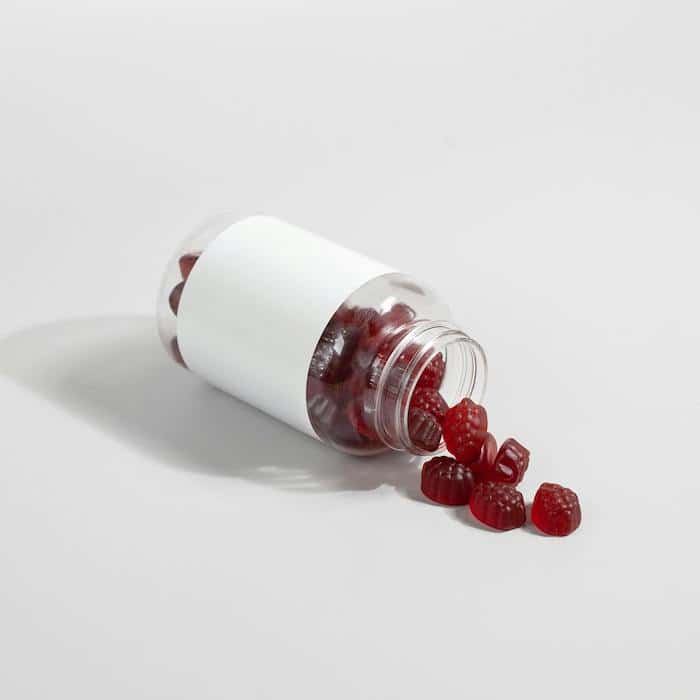
Gummies are soft pills that resemble gummy candies. Unlike tablets and capsules that must be swallowed, gummies are meant to be chewed before swallowing. This increases their bioavailability because they are already partially broken down, meaning the digestive tract has to do less work to access the nutrients. Gummies often contain natural or artificial colors, flavors, and sweeteners, which make them more palatable than tablets and capsules, and they provide an alternative for individuals who have difficulty swallowing pills. However, like softgels, they often contain animal ingredients (e.g., gelatin) and can be high in additives.
Similar to gummies, chewables are tablets designed to be chewed prior to swallowing. They have many of the same benefits and pitfalls as gummies: chewables are easy to take and have increased bioavailability and appealing flavor; however, they are usually high in additives.
Powders
Powders consist of a dehydrated powder format of the supplement ingredient(s). They are typically dissolved in a liquid when taken; however, they can also be mixed into applesauce, yogurt, oatmeal, and even pancake batter, depending on the type of supplement. Typical examples of powder supplements include protein powder, powdered probiotics, electrolytes, and powdered greens. Like gummies and chewables, powders are an alternative for folks who struggle to swallow pills. They often provide a higher supplement dose than capsules and tablets, and are generally more easily absorbed (powders don’t need to be dissolved, so they are considered more bioavailable). You can also easily adjust the dose; however, powder supplements may be less precise than pill formats. In addition, powders can tend to have an unpleasant taste or contain additives such as sweeteners to make them more palatable.
Liquids

Liquid supplements consist of nutrients suspended in liquids, such as tinctures or oils. Like powders, gummies, and chewables, liquids are helpful for individuals who have difficulty swallowing pills and they are generally considered the quickest to absorb, making them highly bioavailable.2 Similar to powders, liquid doses can be easily adjusted; however, they may be less precise than their pill equivalents. Unlike powders, liquids do not have to be mixed into a beverage or food; they can be taken directly, which makes them very easy to consume. These supplements are often the most expensive (though, not always), and can also taste unpleasant. Sometimes, additives such as flavors and sweetners are included to make liquids more appetizing.
Key Takeaways
Though there is no perfect solution, there are many steps you can take to ensure you are taking the best supplements for you. Remember:
- Dietary supplements are concentrated nutrients, such as vitamins and minerals, and come in a variety of forms
- Supplements do not replace a healthy, whole foods diet, but can help with certain issues, such as nutrient deficiencies
- Each supplement type comes with different pros and cons
- Consider bioavailability and active nutrient forms when supplement shopping
- Look for supplements tested for safety and quality that are free of allergens and additives
- Work with a practitioner to determine what type of supplement is right for you
Related Articles
About the author: Jennifer Gartner is a certified Nutrition Therapist Master and specializes in nutritional endocrinology. She is a graduate of NTI’s Nutrition Therapist Master Program and has dedicated her career to helping people make happy hormones.
Medical Disclaimer
This blog provides information for educational purposes only and is not a substitute for professional medical advice, diagnosis, or treatment by a qualified medical professional. The information provided should not be used to diagnose or treat a medical condition. Consult your doctor or other qualified medical professional regarding a medical condition or treatment.
References
- Cohen, S. Drug Muggers. New York, NY: Rodale, 2011.
- Lynch, B. Dirty Genes. New York, NY: HarperCollins; 2018.
Images
- Photo by ready made on Pexels
- Photo by Supplements On Demand on Pexels
- Photo by Nataliya Vaitkevich on Pexels