
There’s something about fall that makes it easy to get back into a routine, whether that’s more home-cooked meals, shorter days with fewer social activities, or simply slowing down enough to notice how your body feels. It also happens to be one of the best times of year to naturally boost your fiber intake.
From hearty root vegetables to crisp apples and winter squashes, the fall harvest is packed with high-fiber foods that do double duty for your gut and waistline.
Why Fiber Deserves a Spot on Your Fall Plate
Yes, fiber isn’t all “new” and shiny, though it’s having a resurgence, and you should pay attention. Fiber doesn’t just keep you “regular.” It’s one of the most underrated nutrients for supporting gut health, hunger/fullness, and stable energy, three key players when you’re trying to feel your best and manage your weight in a balanced way.
Here’s a snapshot of how high fiber foods work their magic:
- Supports digestion: Fiber adds bulk and helps keep things moving smoothly, and promotes regularity.
- Feeds good gut bacteria: Certain fibers act as prebiotics, helping to feed the beneficial bacteria in your gut, supporting digestion, metabolism, and even mood.
- Supports blood sugar: Slower glucose absorption means steadier energy and fewer cravings.
Smooth digestion, a happy gut microbiome, and stable blood sugar are foundational for those looking to look and feel their best.
The Gut–Fiber–Weight Connection
Here’s where it all ties together: the state of your gut microbiome has an influence on your metabolism. When you eat high fiber foods, especially from plants, legumes, and whole foods, you’re not just feeding yourself. You’re feeding the trillions of bacteria in your gut that produce beneficial compounds called short-chain fatty acids (SCFAs).
These SCFAs help support metabolism through a variety of mechanisms, including appetite regulation, energy expenditure, blood sugar management, and potentially influencing GLP-1 production.
That’s why fiber-rich diets are linked to feeling fuller, eating more mindfully, and maintaining a balanced weight over time. It’s not about eating less (in fact, with fiber-rich foods, you can often eat larger-volume meals); it’s about eating in a way that works with your body’s natural cues.

1. Apples (with the skin!)
One medium apple provides around 4 grams of fiber, mostly in its peel. Apples contain pectin, a type of soluble fiber that supports healthy digestion and balanced cholesterol levels.
Try this: Slice into oatmeal, bake with cinnamon and a dash of coconut oil (my favorite), or pair with almond butter for a high-fiber snack.
2. Sweet Potatoes
Sweet potatoes are rich in both soluble and insoluble fiber, making them a gut health win. Plus, they’re loaded with beta-carotene, which supports skin and immune health, perfect for the cooler months.
Try this: Roast them in the oven with olive oil and rosemary, or mash them with a bit of coconut sugar for a sweet yet fiber-forward side dish.
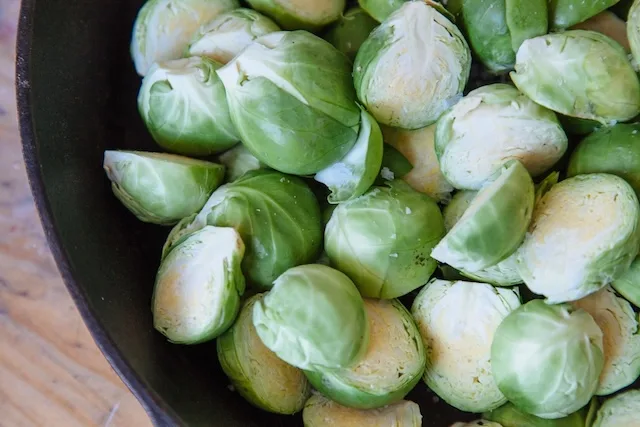
3. Brussels Sprouts
One of my favorite vegetables, Brussels sprouts, packs about 3.5 grams of fiber per cup and contains compounds that support detoxification pathways in the body. They’re also one of the best cruciferous veggies for supporting hormone balance.
Try this: Shred them into a slaw or roast until crispy with balsamic glaze.
4. Pears
Pears are often forgotten but are among the highest-fiber fruits, with up to 6 grams per serving, and offer a unique flavor profile.
Try this: Slide them into salads (bonus if with brussels sprouts and arugula) for a refreshing yet sweet flavor profile.
5. Pumpkin
Pumpkin isn’t just for pumpkin spice lattes; it’s rich in fiber and naturally low in calories, making it ideal for supporting satiety and digestion.
Try this: make homemade pumpkin muffins or pancakes, use a butter substitute in baked goods (sounds weird, but trust me on this), or make a homemade pumpkin spice creamer for a whole-foods-based, less-processed alternative.
6. Butternut Squash
Creamy, comforting, and subtly sweet, butternut squash offers about 7 grams of fiber per cup when cooked. It’s an excellent source of both soluble and insoluble fiber, meaning it supports digestive regularity and helps feed beneficial gut bacteria.
Plus, it’s rich in beta-carotene (a precursor to vitamin A), which supports skin and immune function as the weather cools down.
Try this: Roast cubes of butternut squash with olive oil and herbs, blend it into a soup (a staple in my house during the fall), or toss it into salads or pasta for extra fiber and a pop of fall flavor.
7. Parsnips
Don’t sleep on parsnips, they’re one of fall’s most overlooked high-fiber foods, offering nearly 6.5 grams of fiber per cup when cooked. Slightly sweet and nutty (think of them as a cross between carrots and potatoes), parsnips are especially rich in soluble fiber, which helps promote fullness and support healthy blood sugar balance.
They’re also a great source of antioxidants and vitamin C to support immune health during the colder months.
Try this: Roast parsnips with olive oil, garlic, and rosemary for a caramelized side dish, or mash them with a bit of butter as a cozy, gut-friendly alternative to mashed potatoes.
Pro Tip: Balance Fiber with Hydration
As fiber intake increases, hydration becomes even more important. Fiber absorbs water to do its job; without it, you might feel more backed up and bloated rather than balanced. Keep water or an electrolyte blend handy throughout the day to help your gut stay on track.
How Much Fiber Do You Actually Need?
Most people think they’re getting enough fiber, but the truth is that the average intake is less than half of what’s recommended. The Dietary Guidelines for Americans provide clear daily targets:
- Women: about 25 grams per day
- Men: about 38 grams per day
These numbers aren’t meant to be exact for every person, but they serve as a helpful baseline. If you’re not close to these ranges right now, increasing your fiber slowly and pairing it with plenty of water helps your body adjust comfortably. And remember, you can mix whole-food sources with a supportive fiber supplement to make meeting your goals feel realistic, not overwhelming.
Fiber Supplements Can Help Fill the Gap
While whole foods should always be your foundation, fiber supplements can help bridge the gap on busy days or for those who struggle to meet their fiber needs through food alone.
HUM’s Flatter Me Fiber GLP-1 Booster is formulated to support regularity and healthy digestion and naturally promote fullness by supporting GLP-1 levels†. It’s an easy, delicious way to complement a high-fiber fall diet, especially when your schedule (or your meals) get a little less predictable.
The Takeaway
Fall is the ideal time to give your gut a reset and nourish your body with high fiber foods that naturally support digestion and weight goals. From apples to root veggies, these seasonal staples make it easy to eat more fiber without overthinking it.
So, as much as you love to sip your pumpkin spice latte this season, remember to get some whole-food sources of fiber in, too!