Your ankles support the entire body. These stretches help keep them pain-free.
(Photo: ROMAN ODINTSOV | Pexels)
Published December 3, 2025 04:15AM
Recently, a student in my online yoga class sent me a message right before we began. “Can we please focus on ankles today? Mine feel stiff all the time.” That request highlighted a quiet truth: our ankles often ask for help long before they scream in pain.
We don’t need an ankle injury or even that sharp twinge when we step—or misstep—off a curb to realize how important these small but complex joints are. They’re our first line of connection with the ground, the foundation of our ability to walk, run, jump, and practice yoga, and powerful pumps for blood circulation, especially after long hours of sitting.
Most of us stretch and strengthen our ankles secondary to most other parts of the body, but the ankles shouldn’t be an afterthought—they’re the base for the entire body. It’s time we treat them like the quietly powerful support system they are.
Why Strong Ankles Matter
The primary ankle joint, or the talocrural joint, allows dorsiflexion (drawing the toes toward the shin) and plantarflexion (pointing the toes). Just beneath it, the subtalar joint helps with inversion and eversion (rolling the sole of the foot inward and outward). Together, they determine how we absorb impact, find our balance, and push off the ground.
When ankle mobility is limited—especially dorsiflexion—the body “borrow” strength from somewhere else in the body in maladjusted ways. The knees collapse inward, the hips grip too much, or the lower back overarches. Over time, that compensation can show up as knee discomfort, tight hips, or lower-back fatigue. On the flip side, unstable ankles can make you feel wobbly in balance poses as well as everyday life and leave you more prone to sprains.
From a circulation standpoint, the muscles around the ankle and calf act like a “second heart,” helping pump venous blood back up towards the torso. Small, repeated ankle movements (especially after sitting for long stretches at a time) encourage blood and lymph flow and can ease that heavy, swollen feeling in the feet.
So when we stretch the ankles in yoga, we’re not only exercising the muscles surrounding these joints, we’re supporting healthier knees, hips, posture, and overall well-being.
7 Yoga for Ankles to Strengthen and Stretch
When you’re stuck at your desk, in a meeting, or on a plane, you can slowly circle your ankles, point and flex your feet, and spread and scrunch your toes to activate your ankles. And then when you come to your mat, practice these postures, which are a mix of strengthening, stretching, and awareness-building. You can practice them one at a time or weave any of them into a larger yoga flow or stretch routine.
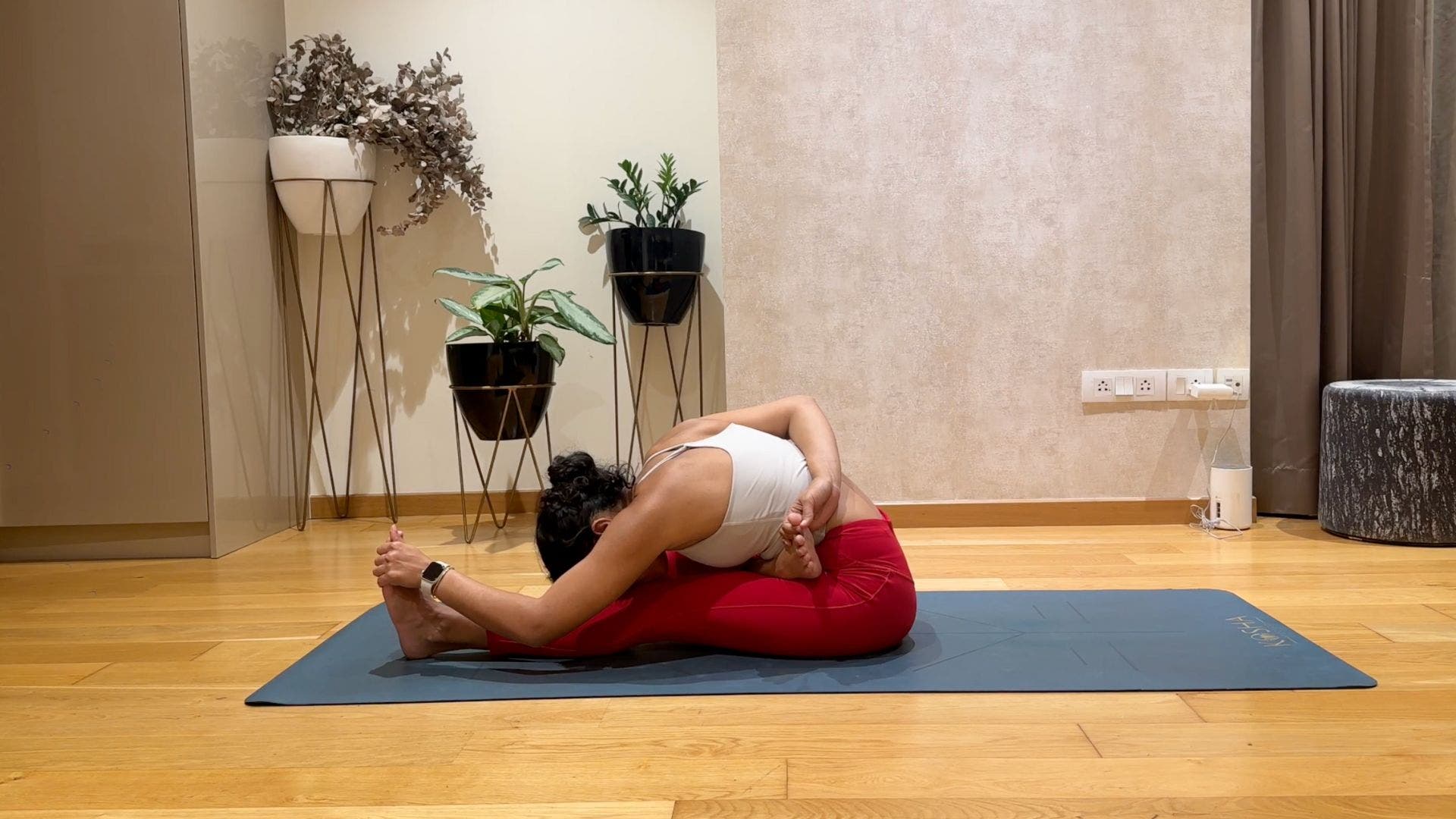
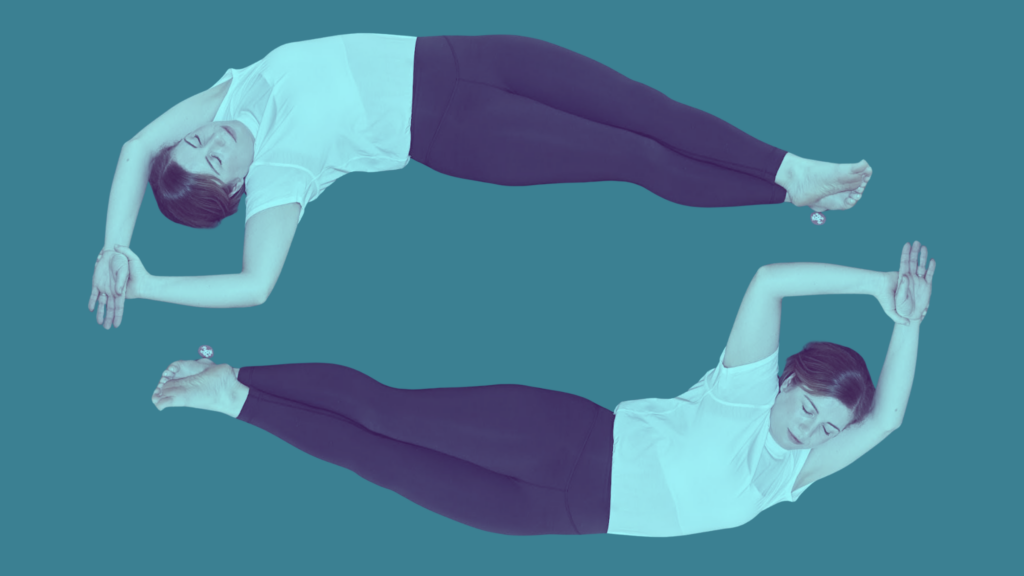
1. Sage Pose (Marichyasana B or D)
This single pose provides a dual ankle stretch—one side gently flexes the front of the ankle in a Half Lotus position, while the other flexes to stretch the Achilles tendon.
How to:
- Sit with both legs extended straight in front of you.
- Bend your right knee and plant your heel on the mat as close to your right hip as possible with your knee pointing toward the ceiling. Bend your left knee and draw your foot toward your right hip crease in Half Lotus. Spread your toes to keep your ankle joint active. If this isn’t comfortable, keep your left leg straight in front of you. Wrap your arms behind you and clasp hands or use a strap and hold onto either end. Fold forward and lower your forehead to the mat or a block. Take a few breaths here, then release. Switch sides.
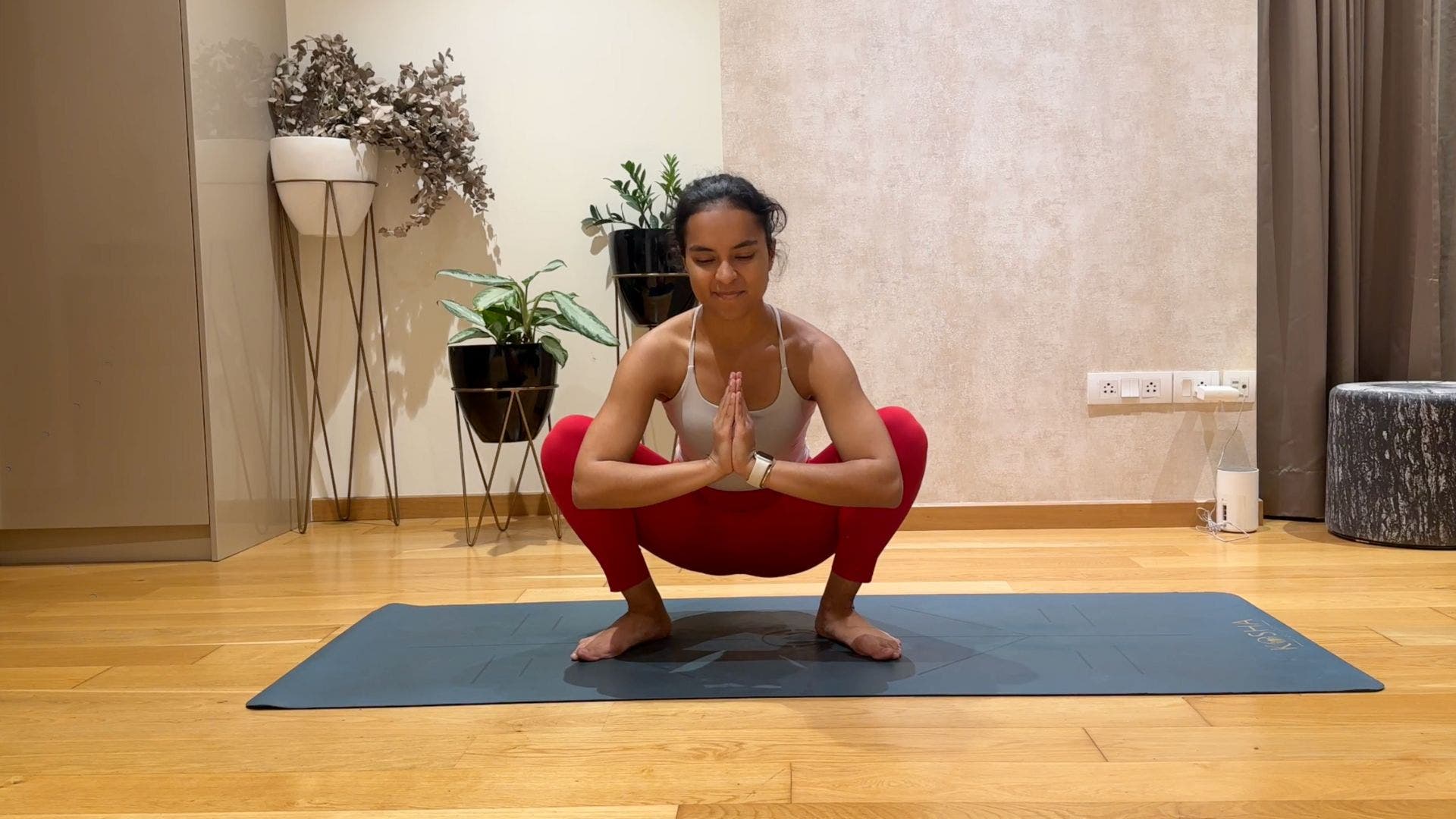
2. Squat (Malasana)
This position asks the ankles, knees, and hips to work together. It stretches the Achilles tendon, lengthens the soles of the feet, and helps build the strength needed for stable movement (think walking on stairs or uneven terrain).
How to:
- Stand with your feet slightly wider than your hips and your toes turned slightly outward.
- Bend your knees and sink your hips into Squat. Bring your hands to your chest in prayer position (anjali mudra), pressing your elbows against your inner knees. If your heels don’t touch the mat, slide a folded blanket or towel underneath them. Draw the crown of your head toward the ceiling. Take a few breaths here, then release.
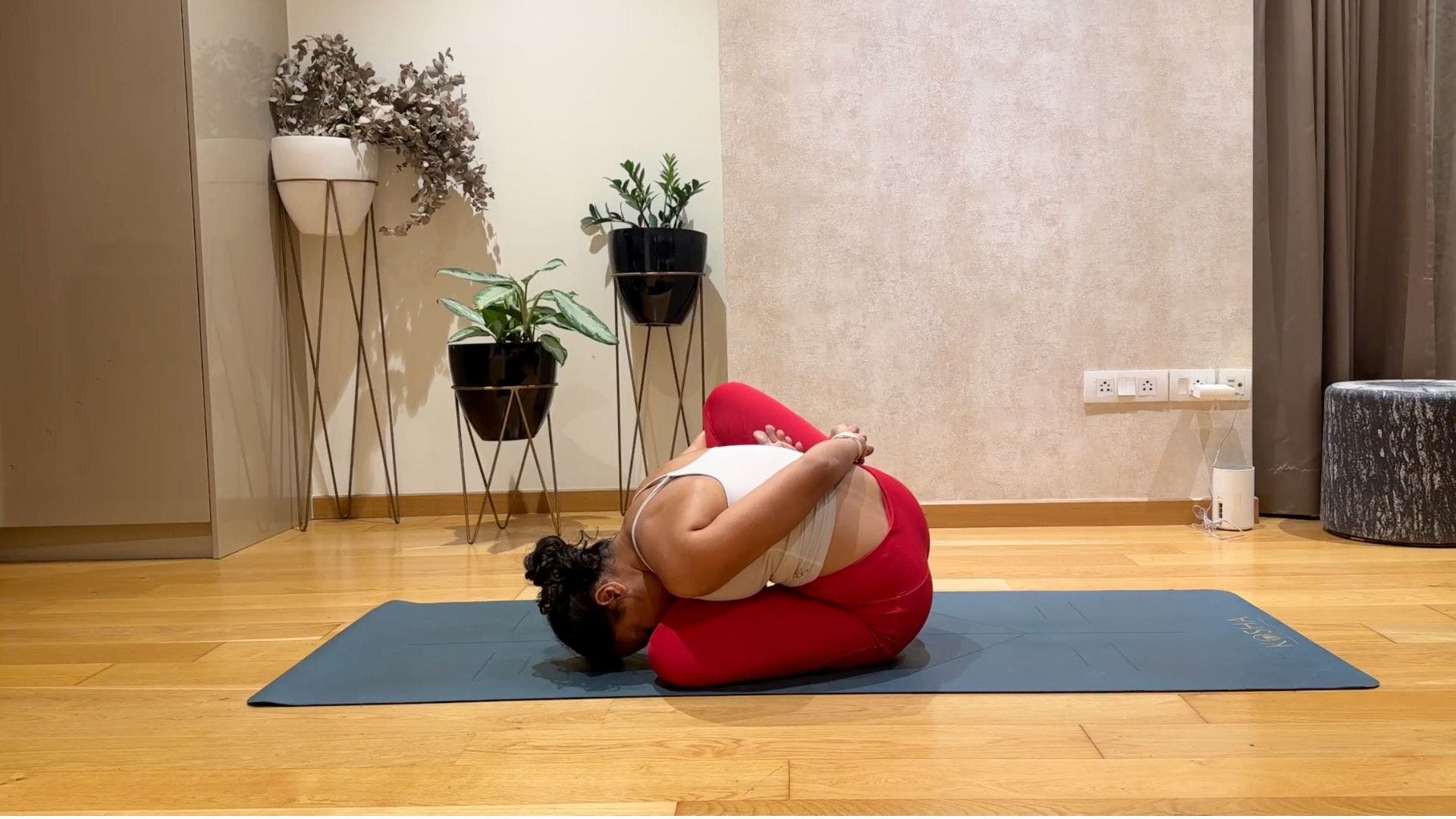
3. Half Bound Lotus Forward Fold (Ardha Baddha Padma Paschimottanasana)
This pose is another two-part stretch with one ankle in Half Lotus. The opposite ankle lengthens when you fold forward.
How to:
- Sit with both legs extended straight in front of you.
- Bend your right knee and draw your foot toward your left hip crease. If this isn’t comfortable, bend your knee and draw the sole of your foot against your left inner thigh. Inhale and sit tall. Exhale and hinge forward from your hips over your left leg. Place your right hand on the mat and reach your left arm behind you or place both hands on the mat on either side of your left leg. Take a few breaths here, then release. Switch sides.
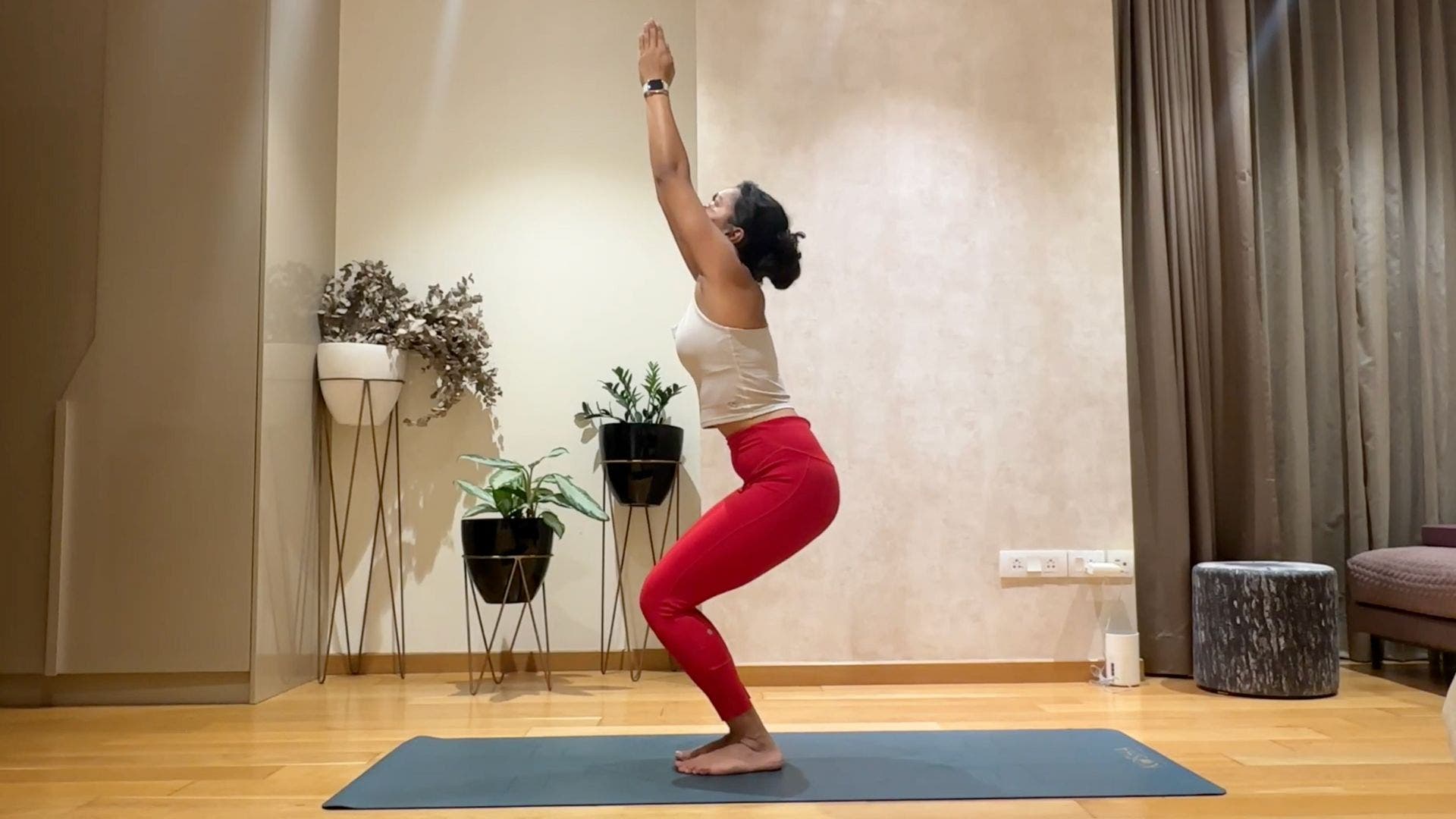
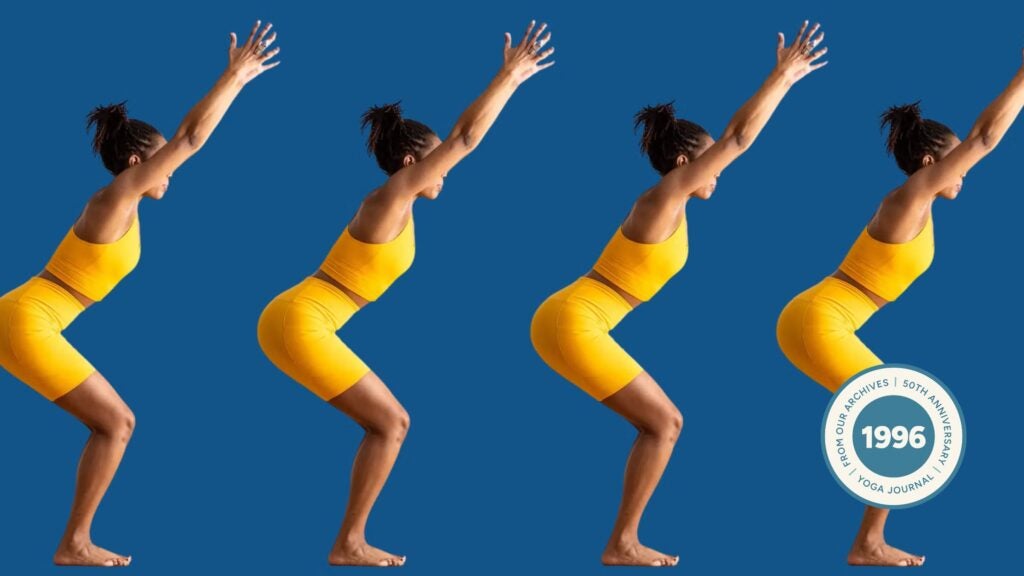
4. Chair Pose (Utkatasana)
Your ankles are the unsung heroes of Chair Pose. Along with the surrounding muscles, they help support your body as you shift your weight back into your heels.
How to:
- Stand tall with your feet hip-width apart.
- Inhale and reach your arms overhead. Exhale as you bend your knees and sit your hips back (as if lowering into an invisible chair). Keep your weight evenly distributed between your feet in Chair Pose. Take a few breaths here, then return to standing.
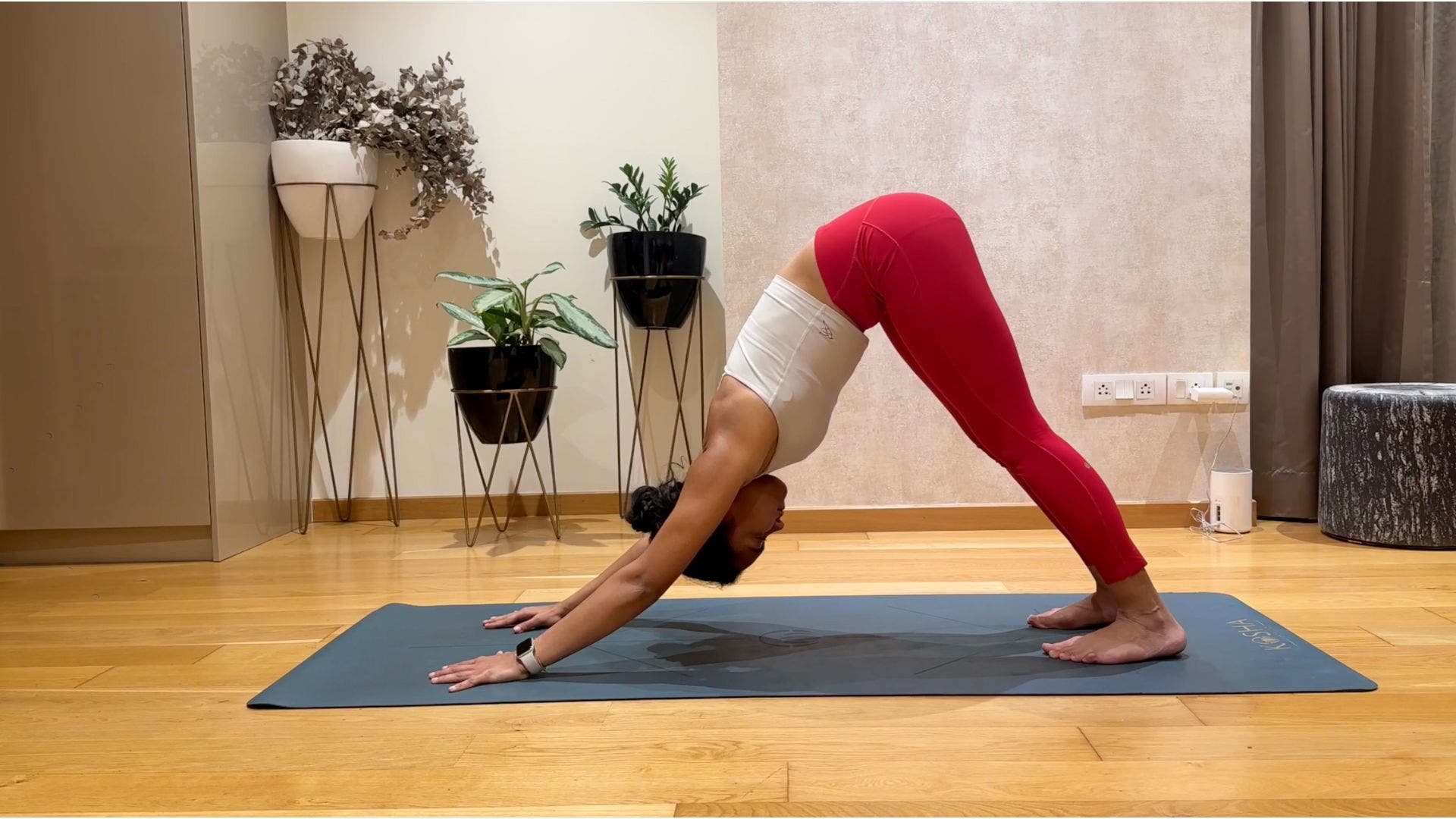
5. Downward-Facing Dog (Adho Mukha Svanasana)
Bearing weight in Down Dog stretches the feet and ankles simultaneously. The pose positions the ankles in dorsiflexion, lengthening the calves and Achilles tendons.
How to:
- Come to your hands and knees.
- Tuck your toes and lift your hips up and back into an inverted V shape in Downward Dog. Keep a soft bend in your knees. Press your hands firmly into the mat and let your heels aim toward the floor without forcing them. Pedal your feet by alternately bending one knee and then the other to create a dynamic stretch in your ankles and calves. Take a few breaths here, then return to your hands and knees.
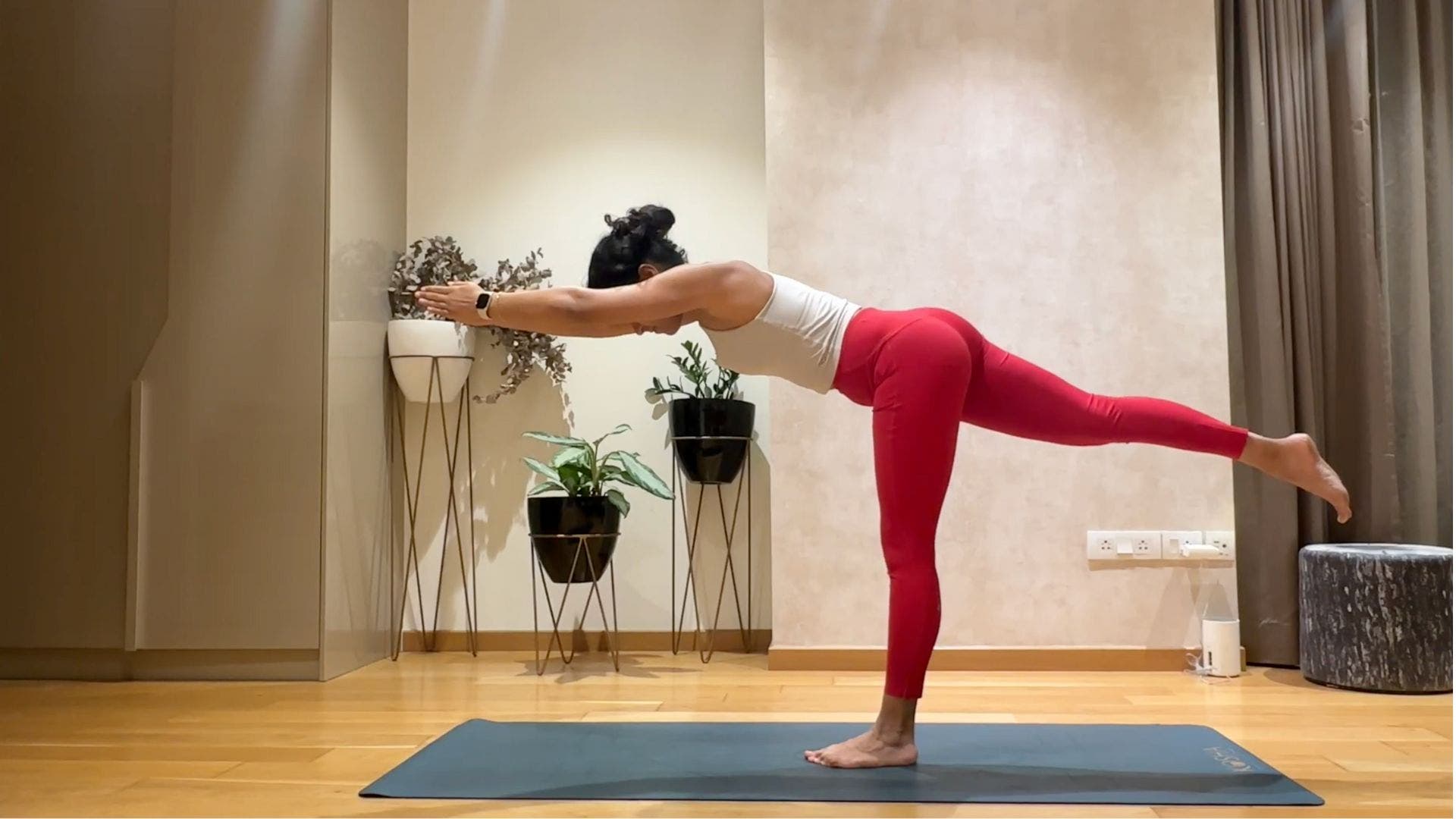
6. Warrior 3 (Virabhadrasana III)
Standing on one leg in Warrior 3 turns your standing ankle into your steering wheel. Every tiny wobble is an opportunity to strengthen the stabilizing muscles.
How to:
- Stand with your feet about hip-width apart.
- Shift your weight into your right foot. Bring your arms to prayer position or reach them straight in front of you. Hinge forward from the hips and, keeping your spine lengthened, extend your left leg straight behind you. Keep your hands in prayer position, reaching in front of you, or rest them on blocks on either side of your feet. You can also practice Warrior 3 next to a wall and place one hand against it to help you balance. Spread your right toes. Take a few breaths here, then return to standing. Switch sides.
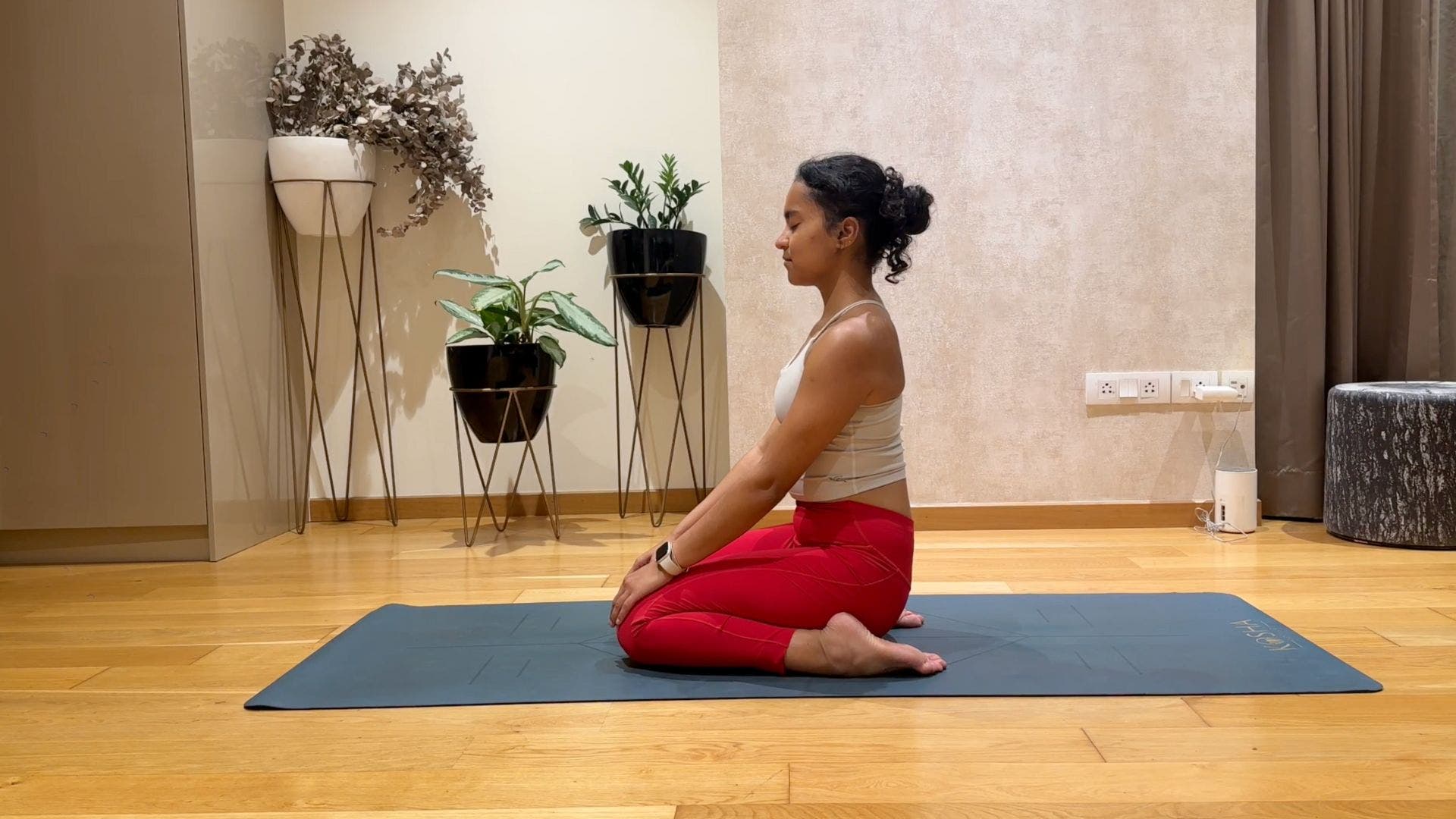
7. Hero Pose (Virasana)
A stretch for the tops of the feet, ankles, and shins, Hero is a powerful counterpose to long periods of standing. If you experience pain in your knees or ankles, lift your hips higher off the mat with props or skip the pose.
How to:
- Kneel on the floor with your knees together and your feet slightly wider than your hips. Stay here or slide a block or cushion between your feet and sit on it in Hero Pose. Make sure your ankles point straight back (and aren’t turned in or out). Spread your toes and let the tops of your feet press against the mat.